

03 Oct
Healthy Breakfast Smoothies Without Added Sugar
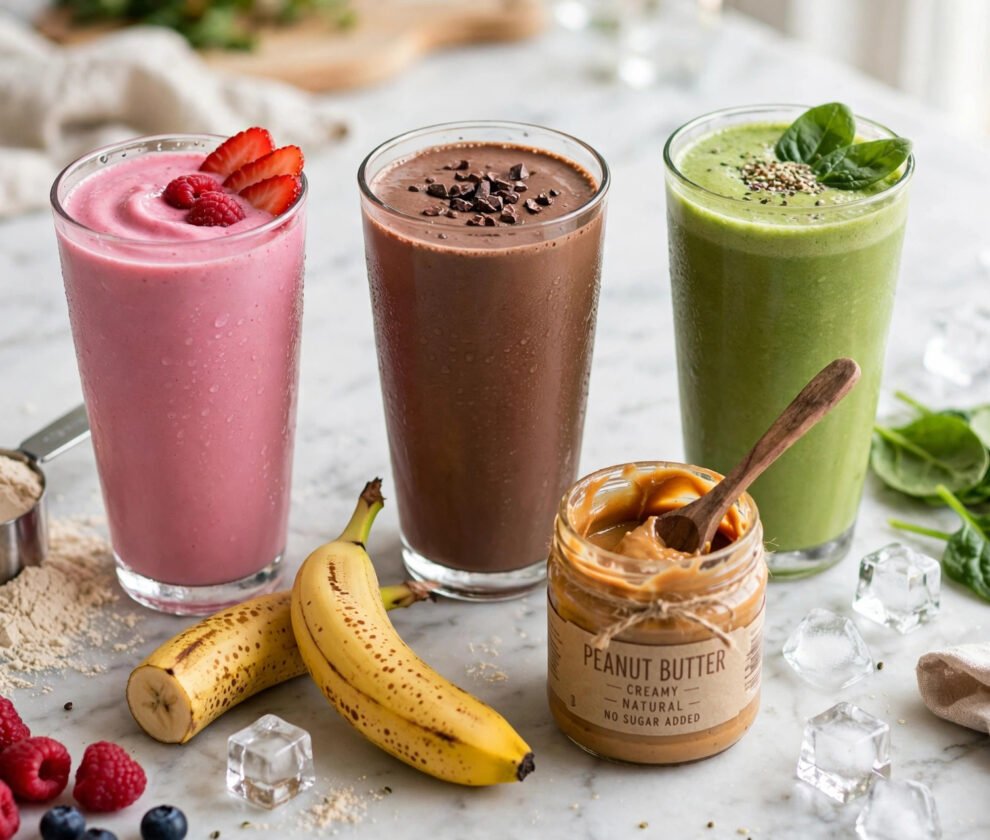
A great morning smoothie should taste sweet, keep you full, and give you steady energy — without a spoonful of sugar, honey, or syrup. The good news is that healthy breakfast smoothies without added sugar are easy once you know the formula. Ripe fruit, Greek yogurt, leafy greens, oats, and nut butter create natural sweetness, fiber, protein, and healthy fats in one glass. This guide gives you a simple base formula, explains why skipping added sugar matters, and shares nine breakfast smoothie recipes that are naturally sweet, balanced, and ready in five minutes.
Why Skip Added Sugar in Your Breakfast Smoothie?
Many café and bottled smoothies contain 40 to 60 grams of added sugar — more than a can of soda. The World Health Organization recommends limiting free sugars to less than 10% of daily energy intake, and ideally below 5%, because excess intake is linked to weight gain, type 2 diabetes, and dental cavities. The Centers for Disease Control and Prevention (CDC) notes that added sugars in beverages are a major source of empty calories in the American diet.
When you blend whole fruit instead of juice or sweetened yogurt, you keep the fiber. Fiber slows digestion, so natural sugars from banana, mango, and berries release gradually rather than spiking and crashing. You also get fullness from protein and fat — the reason a well-built smoothie can carry you to lunch, while a sugary one leaves you hungry by 10 a.m.
That does not mean your smoothie has to taste bland. Ripe bananas, frozen mango, sweet pineapple, cinnamon, vanilla, and cocoa powder add sweetness and flavor without added sugar. Once your palate adjusts for a week or two, whole-fruit smoothies often taste sweeter than before.
The No-Added-Sugar Smoothie Formula
Every balanced breakfast smoothie in this guide follows the same structure. Memorize it and you can improvise with whatever you have:
1 cup liquid + 1 cup frozen fruit + 1/2 to 1 cup Greek yogurt or protein source + 1 handful leafy greens + 2 tablespoons fiber booster + 1 tablespoon healthy fat + flavor (vanilla, cinnamon, cocoa, or ginger).
Aim for roughly 300 to 450 calories for a breakfast smoothie, with at least 15 grams of protein and 5 grams of fiber. Use unsweetened milk, unsweetened plant milk, water, or coconut water as your liquid — fruit juice adds sugar without fiber and is best used sparingly. If you love the protein focus of our high-protein breakfast ideas, this formula fits that pattern perfectly.
Best Natural Sweeteners (From Whole Foods)
- Ripe banana: The riper the banana, the sweeter the smoothie. Freeze sliced ripe bananas for a creamy base.
- Frozen mango and pineapple: Naturally high in fruit sugars and especially sweet when frozen.
- Medjool dates: One or two pitted dates add caramel-like sweetness and fiber. Blend well.
- Unsweetened applesauce or pear: Half a pear or 1/4 cup applesauce sweetens green smoothies gently.
- Cinnamon, vanilla, and cocoa: These create a perception of sweetness without sugar. Add 1/2 teaspoon cinnamon or vanilla extract, or 1 tablespoon unsweetened cocoa.
Fiber and Protein Boosters to Add
- Rolled oats (1/4 cup) — adds soluble fiber, as highlighted in our best high-fiber breakfast foods guide
- Chia seeds or ground flaxseed (1 to 2 tablespoons)
- Plain Greek yogurt (3/4 cup gives 15 to 20g protein) — see our Greek yogurt breakfast bowls for more ways to use it
- Natural peanut or almond butter (1 tablespoon, no added sugar)
- Silken tofu or cottage cheese (1/2 cup, blends smooth and mild)
9 Healthy Breakfast Smoothies Without Added Sugar
Each recipe makes one large breakfast serving (about 16 to 20 ounces). Blend liquids and greens first for 20 seconds, then add frozen fruit and blend again until completely smooth. Add ice if you want it thicker and colder.
1. Classic Berry Green Smoothie
Ingredients: 1 cup unsweetened almond milk, 1 cup baby spinach, 3/4 cup plain Greek yogurt, 1 cup frozen mixed berries, 1/2 frozen banana, 1 tablespoon chia seeds, 1/2 teaspoon vanilla.
Berries and banana mask the spinach completely. This is the best starter smoothie if you are new to greens — bright, sweet, and packed with fiber and vitamin C.
2. Peanut Butter Banana Oat Smoothie
Ingredients: 1 cup milk or unsweetened soy milk, 1 frozen banana, 1 tablespoon natural peanut butter, 1/4 cup rolled oats, 1/2 cup plain Greek yogurt, 1/2 teaspoon cinnamon, 3 to 4 ice cubes.
Oats and peanut butter make this taste like a peanut butter banana sandwich in a glass. It delivers the most staying power of the nine — a good choice before a long commute or workout. For a similar make-ahead high-protein option, our homemade protein shakes guide shows how to balance protein and calories.
3. Tropical Mango Pineapple Smoothie
Ingredients: 1 cup coconut water or water, 1 cup frozen mango, 1/2 cup frozen pineapple, 1/2 cup plain Greek yogurt, 1 tablespoon unsweetened shredded coconut, juice of 1/2 lime, 1 tablespoon ground flaxseed.
Naturally the sweetest recipe here, with no banana. Lime keeps it bright. Use coconut milk instead of coconut water for a creamier, more filling version.
4. Chocolate Peanut Butter Smoothie (No Sugar)
Ingredients: 1 cup milk or unsweetened plant milk, 1 frozen banana, 1 tablespoon unsweetened cocoa powder, 1 tablespoon natural peanut butter, 1/2 cup plain Greek yogurt, 1/2 teaspoon vanilla, pinch of sea salt, ice.
Cocoa and a pinch of salt make this taste like a milkshake. The banana provides all the sweetness you need. Add 1 Medjool date if your banana is not very ripe.
5. Apple Pie Green Smoothie
Ingredients: 1 cup water or unsweetened almond milk, 1 sweet apple (cored, skin on), 1 cup baby spinach or kale, 1/2 frozen banana, 1/4 cup rolled oats, 1/2 teaspoon cinnamon, 1/4 teaspoon nutmeg, 1 tablespoon walnuts, 1/2 cup plain Greek yogurt.
Tastes like apple pie filling. Keep the apple skin on for pectin fiber. Blend extra long so the skin disappears completely.
6. Strawberry Peach Sunrise Smoothie
Ingredients: 1 cup unsweetened almond milk, 1 cup frozen strawberries, 1/2 cup frozen peach slices, 1/2 cup plain Greek yogurt, 1 tablespoon chia seeds, 1/2 teaspoon vanilla, 3 ice cubes.
A light, summery smoothie that still delivers protein and fiber. Swap peaches for frozen mango in winter when peaches are out of season.
7. Blueberry Almond Smoothie
Ingredients: 1 cup milk or unsweetened soy milk, 1 cup frozen blueberries, 1/2 frozen banana, 1 tablespoon almond butter, 1/2 cup plain Greek yogurt, 1 tablespoon ground flaxseed, 1/4 teaspoon almond extract (optional).
Blueberries bring antioxidants and a deep purple color. Almond butter adds healthy fats that slow digestion and improve fullness.
8. Ginger Pear Green Smoothie
Ingredients: 1 cup water or coconut water, 1 ripe pear (cored), 1 cup baby spinach, 1/2 frozen banana, 1/2 cup plain Greek yogurt, 1 teaspoon fresh grated ginger, juice of 1/2 lemon, 1 tablespoon chia seeds.
Ginger and lemon make this refreshing and easy on the stomach. A good option when you want something lighter but still balanced.
9. Coffee Banana Breakfast Smoothie
Ingredients: 3/4 cup cold brewed coffee (unsweetened), 1/4 cup milk, 1 frozen banana, 1/2 cup plain Greek yogurt, 1 tablespoon unsweetened cocoa, 1 tablespoon natural almond or peanut butter, 1/2 teaspoon cinnamon, ice.
Your coffee and breakfast in one glass. Keep coffee unsweetened and avoid flavored creamers, which are a common hidden source of added sugar.
How to Make Smoothies More Filling (Without Sugar)
The most common complaint about smoothies is hunger an hour later. Fix it with structure, not sweetener:
- Add protein every time: Greek yogurt, cottage cheese, silken tofu, or a scoop of unsweetened protein powder. Aim for 15 to 25 grams.
- Include fiber: Oats, chia, flax, berries, and leafy greens slow gastric emptying. Chewing also signals fullness, so pair a lighter smoothie with a small handful of nuts if needed.
- Do not fear healthy fat: Nut butter, avocado (1/4 fruit blends creamy and mild), and seeds improve satiety and help absorb fat-soluble vitamins.
- Keep whole fruit, skip juice: An 8-ounce glass of orange juice has about 22 grams of sugar and almost no fiber. One whole orange blended into a smoothie keeps 3 grams of fiber.
- Drink slowly and sit down: Eating behavior matters. A smoothie consumed at a table registers as a meal; one chugged in the car often does not.
Meal Prep and Storage Tips
Smoothies are fastest when you prep freezer packs on Sunday:
- Freezer packs: Add fruit, greens, oats, and seeds to a freezer bag or container. In the morning, dump into the blender with liquid and yogurt and blend. Keeps 2 to 3 months frozen.
- Freeze bananas in slices: Peel ripe bananas, slice, freeze on a tray, then bag. Slices blend faster than whole bananas.
- Best eaten fresh: Smoothies thicken and oxidize in the fridge. If you must store, fill a jar to the brim, seal, refrigerate, and drink within 24 hours. Shake well before drinking.
- Clean the blender immediately: Rinse, add warm water and a drop of soap, blend 20 seconds, rinse again. Dried smoothie is much harder to clean.
Common Mistakes to Avoid
Using sweetened yogurt or flavored milk. Vanilla yogurt can add 15 grams of sugar before you add fruit. Always choose plain.
Adding honey, maple syrup, or agave by habit. These are added sugars, even though they are natural. Try the smoothie without them first — frozen fruit is usually enough.
Making a fruit-only smoothie. Fruit plus juice with no protein, fiber, or fat digests quickly and can spike blood sugar. Always add yogurt, oats, or nut butter.
Using too much dried fruit. Dates and raisins are nutritious but concentrated. One or two dates per smoothie is plenty; a handful can add 30+ grams of sugar.
Frequently Asked Questions
Are smoothies without added sugar actually sweet enough?
Yes, when you use ripe and frozen fruit. Frozen mango, pineapple, ripe banana, and berries provide natural sugars plus fiber. Vanilla, cinnamon, and cocoa enhance perceived sweetness. Most people find their taste adjusts within one to two weeks of cutting added sugar.
Can I make breakfast smoothies without banana?
Absolutely. Use frozen mango, frozen peaches, or 1/2 cup plain Greek yogurt plus 1/4 avocado for creaminess. The Tropical Mango Pineapple and Strawberry Peach recipes above are banana-free options.
Are no-added-sugar smoothies good for weight management?
They can support a balanced pattern because protein, fiber, and healthy fats promote fullness with fewer empty calories. Portions still matter — a 600-calorie smoothie with large amounts of nut butter and oats may exceed your needs. Measure calorie-dense ingredients until you can estimate accurately.
Can people with diabetes drink these smoothies?
Whole-fruit smoothies with protein, fiber, and no added sugar are generally a better choice than juice or sweetened drinks, but individual needs vary. People with diabetes should monitor portions, pair smoothies with protein and fat, and talk with their doctor or dietitian about personal carbohydrate targets.
What is the best liquid for a no-sugar smoothie?
Water, unsweetened almond or soy milk, plain milk, and coconut water are all good. Choose unsweetened plant milks — sweetened versions add 7 to 10 grams of sugar per cup. Avoid fruit juice as the main liquid.
Conclusion
Healthy breakfast smoothies without added sugar are not a compromise — they are often more satisfying than sugary café versions because whole fruit, Greek yogurt, oats, and nut butter deliver flavor, fiber, and protein together. Start with the Classic Berry Green or Peanut Butter Banana Oat smoothie, build a few freezer packs this weekend, and rotate through the nine recipes so mornings never get boring. Sweetness comes from the fruit itself; fullness comes from the balance you build around it.
For authoritative guidance on limiting added sugars, see the World Health Organization’s healthy diet fact sheet and the CDC’s guidance on added sugars and beverages. Both are free, evidence-based resources.
Disclaimer: This article is for general informational purposes only and is not medical advice. If you have diabetes, kidney disease, a food allergy, or another medical condition, talk with your doctor or a registered dietitian before making significant dietary changes.
Comments(02)