

Category: Weight Management

Apple Cider Vinegar for Weight Loss: Does It Really Work?

Does apple cider vinegar for weight loss really work, or is it just another wellness trend? You have probably seen the claims: a spoonful before meals “melts belly fat” and “boosts metabolism overnight.” The honest answer is less exciting — but more useful. Apple cider vinegar (ACV) has a few small studies suggesting modest effects on weight and appetite, but it is not a fat-burning miracle, and taking it the wrong way can harm your teeth, throat, and stomach.

In this article, you will learn what the science actually says, how people typically use ACV safely, the real risks to watch for, and which proven strategies deliver the lasting results ACV alone cannot.

What Is Apple Cider Vinegar?

Apple cider vinegar is made by fermenting apple juice twice: first into alcohol, then into acetic acid — the compound responsible for its sharp taste and most of its studied effects. Raw, unfiltered versions contain the cloudy “mother,” a mix of proteins, enzymes, and friendly bacteria, though there is no strong evidence the mother itself drives weight loss.

A tablespoon of ACV has about 3 calories and negligible nutrition. It has been used for centuries in cooking and home remedies, but its modern reputation as a weight-loss aid comes mostly from animal studies and a handful of small human trials — not from large, rigorous clinical research.

What Does the Science Actually Say?

Here is a fair summary of the evidence, without the hype:

  • Small human trials show modest effects. The most cited study gave about 150 adults one to two tablespoons of vinegar daily for 12 weeks; the vinegar groups lost roughly 1–2 kg more than the placebo group. That is real, but small — and the study was short with limited participants.
  • Acetic acid may slightly blunt appetite and blood sugar spikes. Some research suggests vinegar taken with a starchy meal can modestly reduce the post-meal blood sugar rise and increase feelings of fullness, which could lead to eating a little less.
  • Animal results do not equal human results. Many dramatic claims trace back to rodent studies using doses far higher than a person would take. Mice are not people.
  • No evidence of “fat melting” or metabolism boosting. ACV does not meaningfully raise metabolic rate, target belly fat specifically, or detox anything — the liver and kidneys already handle detoxification.

The bottom line from researchers: ACV might support weight management slightly as part of an overall healthy diet, but the effect is tiny compared to eating well and staying active. For authoritative guidance on what actually works, the NHLBI’s guidance on overweight and obesity emphasizes balanced eating and regular physical activity — not single “miracle” foods.

How People Usually Take It

If you want to try ACV, the commonly studied approach is 1–2 tablespoons (15–30 ml) per day, always diluted — typically mixed into a large glass of water, often taken before meals. Common-sense safety rules:

  • Never drink it straight. Undiluted vinegar can burn your throat and esophagus.
  • Use a straw and rinse your mouth with water afterward to protect tooth enamel.
  • Start with 1 teaspoon in water to see how your stomach handles it, then work up gradually.
  • Do not exceed 2 tablespoons a day. More is not better — it just raises the risk of side effects.
  • Skip ACV gummies as a “shortcut.” Many contain added sugar and far less acetic acid than liquid vinegar, with almost no research behind them.

Possible Benefits Beyond the Hype

Setting weight loss aside, ACV has a couple of plausible, modest benefits supported by limited evidence:

  • Blood sugar support: taking diluted vinegar with high-carbohydrate meals may slightly reduce post-meal glucose spikes in some people. This is not a diabetes treatment — anyone on glucose-lowering medication must talk to their doctor first, since combined effects could push blood sugar too low.
  • Satiety: the strong taste and mild nausea some people feel may reduce how much they eat at the following meal — hardly a pleasant mechanism, but it partly explains the small calorie reductions seen in studies.
  • Salad dressing upgrade: honestly, the healthiest use of ACV may be replacing creamy, calorie-heavy dressings with a vinaigrette. That swap saves real calories with zero risk.

Risks and Side Effects You Should Know

ACV is “natural,” but natural does not mean harmless — especially with daily, long-term use:

  • Tooth enamel erosion. Vinegar is highly acidic (pH around 2–3). Frequent undiluted exposure softens and erodes enamel, and the damage is irreversible.
  • Throat and esophagus burns. There are case reports of throat burns from ACV, particularly from undiluted shots or tablets that lodge in the throat.
  • Digestive problems. Nausea, indigestion, and worsened acid reflux are common complaints. People with gastroparesis (delayed stomach emptying) should avoid it, since vinegar may slow digestion further.
  • Low potassium and bone concerns. Excessive long-term use has been linked in rare cases to low potassium levels and reduced bone density.
  • Medication interactions. ACV can interact with diabetes drugs, diuretics, and heart medications. If you take any prescription drug, ask your doctor or pharmacist before starting daily ACV.

If you are pregnant, breastfeeding, or managing a chronic condition, skip the self-experimentation and get professional advice first.

ACV vs. What Actually Drives Weight Loss

It helps to put ACV in perspective. In the best-case study, vinegar contributed about 1–2 kg over three months. Compare that with the proven drivers of fat loss:

  • A sustained modest calorie deficit — the foundation everything else rests on. A structured approach like our 7-day weight loss meal plan builds this in without guesswork.
  • High protein and fiber intake — keeps you full on fewer calories; see high-protein breakfast ideas for easy mornings.
  • Regular movement — daily walking plus a couple of strength sessions weekly; our walking guide and home strength training guide cover both.
  • Sleep and stress management — poor sleep raises hunger hormones; see how to lose belly fat naturally for the full picture.
  • Consistency over months, not days — the unglamorous factor behind nearly every success story.

ACV can sit alongside these habits if you enjoy it — it just cannot replace any of them. Anyone selling ACV as the main event is selling hope, not science.

Frequently Asked Questions

How much apple cider vinegar should I take daily for weight loss?

Studies typically used 1–2 tablespoons (15–30 ml) per day, always diluted in water. There is no evidence that larger amounts work better, and they increase the risk of enamel damage, throat irritation, and digestive upset. More is not better.

Should I drink apple cider vinegar before bed?

There is no scientific reason to prefer bedtime. Most studies gave vinegar with or before meals. Drinking acid before lying down may worsen reflux for some people, so with meals (or earlier in the day) is the safer choice if you try it at all.

Can apple cider vinegar burn belly fat specifically?

No. No food or drink targets fat loss from one body area — “spot reduction” is a myth. Overall fat loss through diet and activity reduces belly fat over time, and ACV’s contribution to that process is, at best, very small.

Are apple cider vinegar gummies as effective as the liquid?

Probably not. Gummies typically contain much less acetic acid (the active compound), often add sugar, and have virtually no clinical research behind them. If you want to try ACV, the diluted liquid form is the one actually studied.

Who should avoid apple cider vinegar?

Skip it if you have acid reflux or ulcers, gastroparesis, chronic kidney disease, low potassium, or damaged tooth enamel — and talk to your doctor first if you take diabetes medication, diuretics, or heart drugs, or if you are pregnant or breastfeeding.

Conclusion

So, does apple cider vinegar for weight loss really work? The fair verdict: it may help a tiny amount — roughly an extra kilogram or two over several months in the best studies — but it is no substitute for the fundamentals. A calorie-aware diet, protein and fiber at meals, daily movement, good sleep, and consistency are what actually move the scale.

Your next step: if you are serious about results, start with our 7-day weight loss meal plan this week and add a daily walk. You can keep the diluted ACV if you like the ritual — just protect your teeth, keep the dose small, and let the real habits do the heavy lifting.

General health information only — not medical advice. Talk to a qualified professional about personal health decisions. See our Disclaimer.
Read More

7-Day Weight Loss Meal Plan for Beginners (With Grocery List)

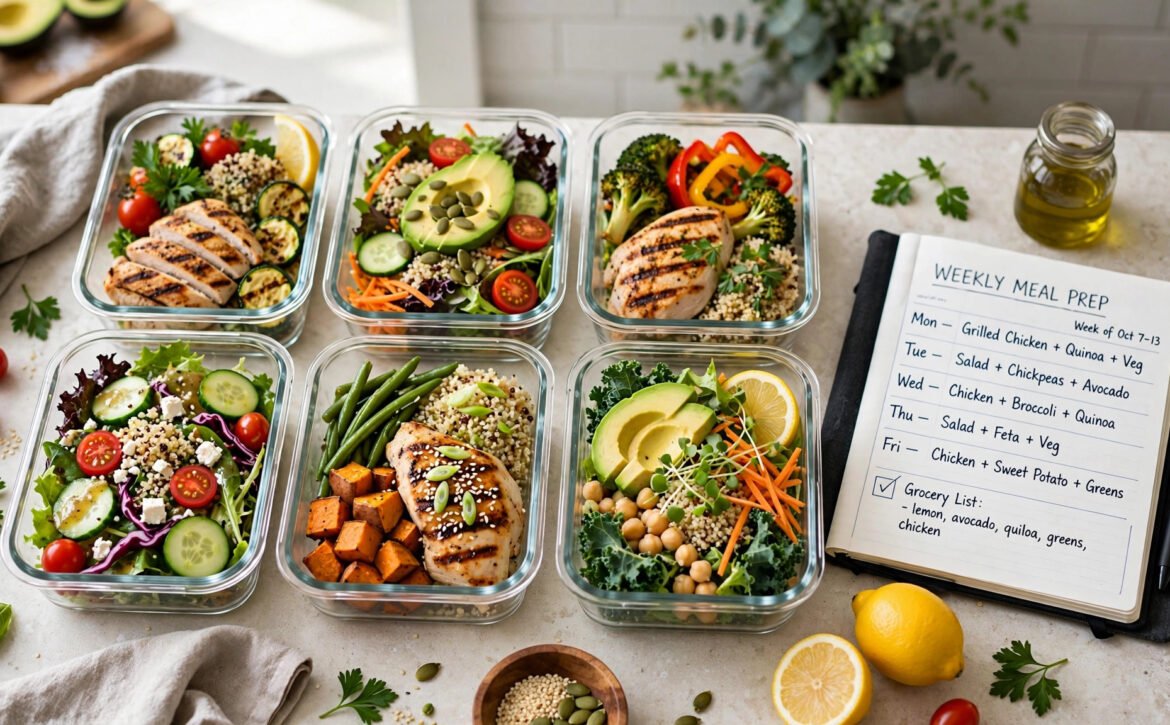
Starting a 7 day weight loss meal plan is one of the simplest ways for a beginner to take control of eating habits. Instead of guessing what to eat three times a day, you follow a clear menu built around real food: lean protein, vegetables, fruit, whole grains, and healthy fats. There are no banned food groups, no expensive ingredients, and no starvation — just balanced meals in portions that create a gentle calorie deficit so the scale starts moving in a healthy, sustainable way.

In this guide, you will get a complete day-by-day menu for the week, a full grocery list organized by store section, simple prep tips, drink guidelines, and answers to the most common beginner questions.

How This 7-Day Meal Plan Works

Weight loss comes down to one core principle: consistently eating slightly fewer calories than your body burns. This plan targets roughly 1,500–1,800 calories per day, which creates a modest deficit for most adults without leaving you constantly hungry. Rather than counting every calorie, the plan works through structure:

  • Protein at every meal — chicken, fish, eggs, lentils, beans, and Greek yogurt keep you full and protect muscle while you lose fat.
  • Vegetables take up half the plate — they add volume and fiber for very few calories, so meals feel generous.
  • Whole grains over refined — brown rice, oats, quinoa, and whole-wheat bread digest more slowly and steady your energy.
  • Planned snacks — one intentional snack per day prevents the 4 PM vending-machine spiral.
  • Water first — thirst is often mistaken for hunger, and sugary drinks are the easiest calories to cut.

The meals follow WHO healthy diet principles: plenty of fruit and vegetables, limited free sugars, and moderate healthy fats. If you have diabetes, kidney disease, or any condition that affects what you can eat, check with your doctor or a registered dietitian before starting.

6 Ground Rules Before You Start

  1. Eat on a schedule. Three meals plus one snack at roughly the same times each day prevents extreme hunger, which is when most diet plans fall apart.
  2. Do not skip meals to “save calories.” Skipping usually backfires into overeating later. Consistency beats perfection.
  3. Keep portions honest. Use smaller plates, measure grains and oils for the first few days, and stop eating when you are comfortably full — not stuffed.
  4. Cook simply. Grill, bake, steam, or sauté with a teaspoon of oil. You do not need fancy techniques — salt, pepper, lemon, garlic, and herbs do the heavy lifting.
  5. Plan for real life. If a meal does not appeal to you, swap it with another day’s meal of the same type (lunch for lunch). The structure matters more than the exact dish.
  6. Move a little daily. A 20–30 minute walk each day pairs perfectly with this plan — see our guide to walking 10,000 steps a day for an easy way to start.

Your 7-Day Weight Loss Meal Plan

Each day includes breakfast, lunch, a snack, and dinner. Drinks: water, black coffee, or unsweetened tea with any meal.

Day Breakfast Lunch Snack Dinner
Monday Overnight oats: ½ cup oats, ¾ cup low-fat milk, ½ cup berries, 1 tbsp chia seeds Grilled chicken salad: 120g chicken breast, mixed greens, cucumber, tomatoes, 1 tsp olive oil + lemon 1 medium apple + 1 tbsp peanut butter Baked salmon (120g), ½ cup brown rice, steamed broccoli
Tuesday 2 scrambled eggs + 1 slice whole-wheat toast + ½ avocado Lentil soup (1½ cups) + small whole-wheat roll 170g Greek yogurt + ½ cup sliced strawberries Turkey and vegetable stir-fry (120g turkey, mixed peppers, zucchini) over ½ cup quinoa
Wednesday Smoothie: 1 banana, 1 cup spinach, ¾ cup low-fat milk, 1 tbsp peanut butter, ice Tuna wrap: 1 whole-wheat tortilla, 1 can tuna in water, lettuce, tomato, 1 tbsp light mayo 1 small handful (30g) almonds Chicken and vegetable curry (light coconut milk) with ½ cup basmati rice
Thursday 170g Greek yogurt + ⅓ cup granola + ½ cup mixed berries Quinoa bowl: ¾ cup cooked quinoa, black beans (½ cup), corn, diced peppers, salsa, ¼ avocado 2 rice cakes + 2 tbsp hummus Baked cod (150g) + roasted sweet potato wedges + green beans
Friday Vegetable omelet (2 eggs, mushrooms, spinach, tomato) + 1 slice whole-wheat toast Chicken vegetable soup (1½ cups) + side salad 1 pear + 30g low-fat cheese Whole-wheat pasta (1 cup cooked) with turkey Bolognese and side salad
Saturday Overnight oats (same as Monday) or oatmeal with sliced banana and cinnamon Grilled shrimp tacos: 2 corn tortillas, 120g shrimp, cabbage slaw, salsa, lime 1 cup baby carrots + 3 tbsp hummus Lean beef and broccoli stir-fry (120g beef strips) with ½ cup brown rice
Sunday 2 whole-wheat pancakes topped with ½ cup berries and 1 tbsp maple syrup + 2 boiled eggs Buddha bowl: ½ cup brown rice, roasted chickpeas, kale, shredded carrots, tahini-lemon drizzle 1 banana + 1 tbsp peanut butter Herb-roasted chicken breast (150g) + roasted mixed vegetables + small baked potato

Notice the pattern: protein plus produce at every meal, whole grains for staying power, and flavors that repeat ingredients across days so nothing goes to waste. For more high-protein morning ideas you can rotate in, see our 10 high-protein breakfast ideas.

The Complete Grocery List

Buy once at the start of the week. Check your pantry first — you may already have the staples.

Fresh Produce

  • Mixed salad greens, spinach, kale (1 bag/box each)
  • Broccoli (2 heads), green beans (300g), zucchini (3), bell peppers (4), mushrooms (250g)
  • Cucumber (2), tomatoes (6), corn (2 ears or 1 cup frozen), cabbage (½ head)
  • Carrots (1 bag), sweet potatoes (2), potatoes (2 small), onions (4), garlic (1 head)
  • Lemons (3), limes (2), fresh ginger (small piece), fresh herbs (cilantro/parsley)
  • Berries (2 cups), strawberries (1 box), bananas (5), apples (2), pears (2)
  • Avocados (2)

Protein (Meat, Fish & Plant-Based)

  • Chicken breast (700g), turkey mince (250g), lean beef strips (150g)
  • Salmon fillets (2), cod fillets (2), shrimp (250g), tuna cans in water (2)
  • Eggs (1 dozen), red lentils (500g dry), black beans (1 can), chickpeas (1 can)

Dairy & Refrigerated

  • Greek yogurt, plain low-fat (500g), low-fat milk (1 liter)
  • Low-fat cheese (100g), light mayonnaise (small jar), hummus (1 tub)

Pantry Staples

  • Rolled oats, brown rice, quinoa, basmati rice, whole-wheat pasta, whole-wheat bread, whole-wheat tortillas, corn tortillas, rice cakes
  • Olive oil, peanut butter (natural), almonds (100g), chia seeds, granola (low sugar)
  • Canned diced tomatoes, light coconut milk (1 can), vegetable/chicken stock
  • Salsa, tahini, soy sauce, maple syrup (small), canned corn
  • Spices: salt, black pepper, turmeric, cumin, paprika, cinnamon, chili flakes, curry powder, dried oregano

7 Simple Prep Tips to Stay on Track

  1. Prep grains in bulk. Cook a big batch of brown rice and quinoa on Sunday — they keep 4 days refrigerated and anchor fast lunches.
  2. Wash and chop vegetables ahead. Ready-to-eat produce gets eaten; whole vegetables in the crisper get forgotten.
  3. Portion proteins immediately. Divide chicken, fish, and turkey into single-meal portions before refrigerating so weeknight cooking takes minutes.
  4. Make overnight oats the night before. Five minutes of evening prep buys you a grab-and-go breakfast.
  5. Keep emergency foods stocked. Eggs, frozen vegetables, canned beans, and tuna rescue you on days the plan goes sideways.
  6. Pack lunch the night before. Decide in the evening, not at noon when hunger is deciding for you.
  7. Track simply. A quick note on your phone — what you ate and how you felt — reveals patterns worth keeping and ones worth dropping. For a broader strategy beyond food, our guide to losing belly fat naturally covers sleep, stress, and activity too.

What to Drink (and What to Skip)

Drinks can quietly add hundreds of calories. For this week, make water your default — aim for 8–10 glasses a day, more if you exercise or live somewhere hot. Unsweetened tea and black coffee are fine. Skip sodas (including diet sodas, which keep sweet cravings alive for many people), fruit juices, sweetened coffee drinks, milkshakes, and alcohol as much as possible this week — a single restaurant sweet tea can carry 30g of sugar. If plain water bores you, add lemon, cucumber, or mint.

Frequently Asked Questions

How much weight can I lose in 7 days on this plan?

A realistic result is 0.5–1 kg (1–2 pounds) of fat, possibly more on the scale in week one from reduced water retention and less food volume in your system. Anyone promising dramatically more is selling something. Steady loss of 0.5–1 kg per week is the pace health authorities consider safe and sustainable.

Can I repeat this meal plan after the first week?

Yes — repeat it for 2–4 weeks, swapping in similar meals to avoid boredom. After a month, broaden your rotation with new recipes so your diet stays varied. Long-term success comes from habits you can live with, not from repeating one week forever.

What if I am vegetarian?

The plan adapts easily: replace chicken, turkey, beef, fish, and shrimp with extra lentils, beans, chickpeas, tofu, or paneer in the same portions. Keep the eggs and dairy (or use fortified plant alternatives) so protein stays adequate.

Do I need to count calories on this plan?

No — the portions are designed to land in the right range for most adults. If weight is not moving after two consistent weeks, then consider tracking for a few days to spot hidden extras (oils, sauces, snacks, drinks are the usual suspects).

Can I eat out or attend events during the week?

Yes. Choose grilled protein with vegetables, ask for sauces on the side, skip the bread basket, and keep portions sane. One flexible meal will not undo a week of good structure — the plan resumes at the next meal, not next Monday.

Conclusion

This 7 day weight loss meal plan gives beginners exactly what diets usually lack: a clear daily menu, a done-for-you grocery list, and rules simple enough to follow on a busy week. Eat protein and produce at every meal, keep portions honest, drink water, walk daily, and repeat the structure week after week. The scale responds to consistency, not perfection.

Your next step: shop the grocery list this weekend and start Monday with the overnight oats. For a complementary strategy, explore intermittent fasting for beginners once this eating pattern feels easy.

General health information only — not medical advice. Talk to a qualified professional about personal health decisions. See our Disclaimer.

Read More

Intermittent Fasting for Beginners: The 16/8 Method Explained

Intermittent fasting for beginners can sound intimidating, but the most popular method — 16/8 — is surprisingly simple: you fast for 16 hours and eat all your meals within an 8-hour window each day. There is no special food to buy and no complicated rules. You simply skip breakfast (or dinner), eat balanced meals during your window, and let your body rest from digestion the rest of the time. Many beginners choose 16/8 because it mostly overlaps with sleep, making the fast far easier than it sounds.

In this guide, you will learn exactly how the 16/8 method works, see a sample daily schedule, discover what to eat and drink, get 7 practical beginner tips, and learn who should be cautious before starting.

What Is Intermittent Fasting?

Intermittent fasting (IF) is an eating pattern that cycles between periods of eating and fasting. It is not a diet in the traditional sense — it does not tell you what to eat, but when to eat. During the fasting window, insulin levels fall and the body shifts toward using stored energy, which is why many people use IF to support weight management.

Several methods exist — 5:2 (eating normally five days, restricting calories two days), alternate-day fasting, and OMAD (one meal a day) — but 16/8 is the gentlest starting point and the one most beginners stick with.

How the 16/8 Method Works

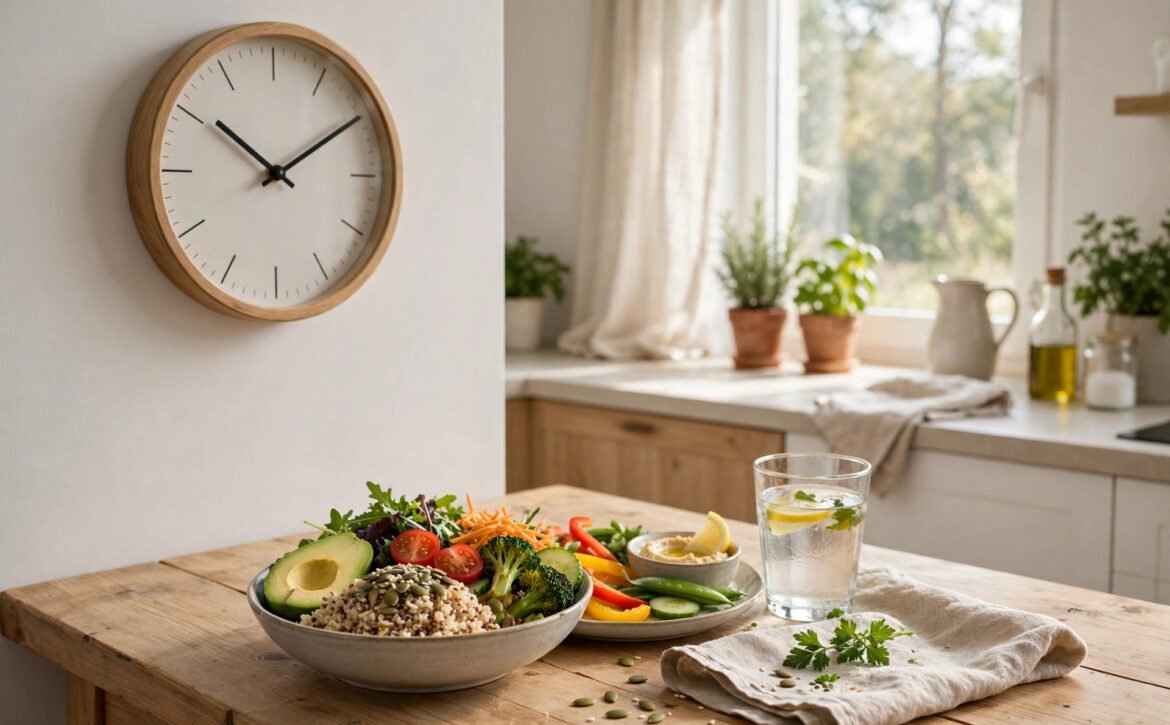
The concept is straightforward: each 24-hour day is split into a 16-hour fast and an 8-hour eating window. The most common schedule is 12:00 PM to 8:00 PM for eating, which means you skip breakfast, eat lunch and dinner normally, and stop eating after 8 PM. Since you sleep through roughly half the fast, the waking fasting time is only about 8 hours.

During the 16 fasting hours, you consume zero or near-zero calories: water, black coffee, and plain tea are all fine. During the 8-hour window, you eat two or three satisfying, nutritious meals. The method works mainly because the shorter window naturally helps many people eat fewer total calories — and consistency matters more than perfection.

Sample 16/8 Daily Schedule

Here is a realistic beginner schedule with an eating window of 12:00 PM – 8:00 PM:

Time What to Do Details
7:00 AM Wake up, hydrate Large glass of water; black coffee or plain tea if you like
7:00 AM – 12:00 PM Fasting continues Water, black coffee, or herbal tea only; stay busy — mornings pass quickly
12:00 PM Break your fast — Lunch Balanced meal: protein + vegetables + whole grains (e.g., grilled chicken salad with quinoa)
3:30 PM Healthy snack (optional) Greek yogurt, a handful of nuts, or fruit
7:30 PM Dinner Similar balance to lunch: fish or lentils with vegetables and brown rice
8:00 PM Eating window closes Kitchen “closed” — herbal tea or water only from here
10:30 PM Wind down for sleep Screens off, calm routine — good sleep supports fasting success

Prefer mornings? Flip it: eat 8:00 AM – 4:00 PM and fast through the evening. Choose the window that fits your life — the best schedule is the one you can repeat daily.

What to Eat During Your Eating Window

Fasting does not cancel out poor food choices. For the best results and steady energy, build meals around whole foods following WHO healthy diet principles:

  • Protein at every meal: eggs, lentils, beans, chicken, fish, tofu, Greek yogurt — protein keeps you full through the next fast. These high-protein breakfast ideas adapt well as first meals of the day.
  • Plenty of vegetables and fruit: fiber-rich produce improves satiety and gut health.
  • Whole grains: oats, brown rice, quinoa, and whole-wheat bread over refined versions.
  • Healthy fats: nuts, seeds, olive oil, and avocado in moderate amounts.
  • Limit: sugary drinks, sweets, deep-fried snacks, and heavily processed foods — they make the fasting window harder by spiking and crashing your energy.

A Mediterranean-style pattern pairs especially well with 16/8 — see our Mediterranean diet beginner’s guide for meal ideas that fit naturally into an eating window.

What You Can Drink While Fasting

  • Water — plain or sparkling, as much as you like.
  • Black coffee — no sugar, milk, or cream during the fast (a splash of milk likely will not ruin results, but strict fasting avoids it).
  • Plain tea — green, black, or herbal, unsweetened.
  • Avoid: sodas (even diet sodas can trigger cravings for some people), juices, smoothies, and bulletproof-style calorie coffees during fasting hours.

7 Tips for Beginners

  1. Ease in gradually. Start with a 12-hour fast (8 PM – 8 AM) for a few days, then stretch to 14, then 16 hours. There is no prize for suffering on day one.
  2. Stay hydrated. Thirst often disguises itself as hunger. Keep water within reach all morning.
  3. Keep busy during fasting hours. Mornings filled with work or a walk pass far faster than idle ones.
  4. Do not overeat when the window opens. Break your fast with a normal, balanced meal — not a feast. Bingeing erases the calorie benefit.
  5. Keep protein high. Adequate protein protects muscle and keeps you satisfied longer into the fast.
  6. Be flexible, not rigid. A social dinner that shifts your window occasionally will not ruin progress. Aim for consistency, roughly 5–6 days a week.
  7. Give it 2–3 weeks. The first week is the hardest as hunger hormones adjust. Most people find weeks two and three dramatically easier.

Who Should Be Careful With Fasting

Intermittent fasting is not suitable for everyone. Talk to your doctor before starting if you are pregnant or breastfeeding, have diabetes (especially if you take glucose-lowering medication), have a history of eating disorders, take prescription medications affected by food timing, are under 18, or have any chronic health condition. If you feel dizzy, unwell, or develop an unhealthy relationship with food, stop and seek professional guidance. Fasting should feel manageable — never punishing.

Frequently Asked Questions

Will I lose muscle with 16/8 fasting?

Not if you eat enough protein and stay active. Studies on time-restricted eating show that muscle is largely preserved when protein intake is adequate and people do some resistance exercise. Keep protein at every meal and consider strength training twice a week.

Can I exercise while fasting?

Yes — light to moderate exercise like walking, yoga, or easy cardio is fine fasted for most people, and some prefer it. For intense strength sessions, many do better training inside or near the eating window. Listen to your body and hydrate well.

Does black coffee break a fast?

Plain black coffee (no sugar, milk, or cream) has negligible calories and is widely considered fine during a fast — and the caffeine can mildly blunt morning hunger. Flavored creamers and sugary additions do break the fast.

What if I feel very hungry during the fast?

Some hunger in the first week is normal as your body adjusts. Drink water or tea, stay busy, and see if it passes within 20–30 minutes — it usually does. Persistent, intense hunger may mean your eating-window meals are too small or too low in protein and fiber; adjust those first.

Is 16/8 better than simply eating less?

For fat loss, what matters most is overall calorie balance and food quality — 16/8 is simply a structure that helps many people achieve that with less decision fatigue. If the window feels miserable, a regular balanced eating pattern works just as well. For more on sustainable fat loss, see our guide on how to lose belly fat naturally and the NHLBI’s guidance on overweight and obesity.

Conclusion

The 16/8 method makes intermittent fasting beginner-friendly: fast for 16 hours (mostly while you sleep), eat balanced meals in an 8-hour window, drink water/coffee/tea while fasting, and keep protein and whole foods high. Start gradually, stay consistent, and remember it is a tool — not a religion.

Your next step: try a 12-hour overnight fast tonight (finish dinner by 8 PM, eat breakfast at 8 AM), then stretch the window over the coming week. Browse our Weight Management section for more sustainable strategies.

General health information only — not medical advice. Talk to a qualified professional about personal health decisions. See our Disclaimer.

Read More

How to Lose Belly Fat Naturally: 12 Science-Backed Tips

Learning how to lose belly fat naturally starts with understanding one fact: belly fat — especially the deep visceral fat around your organs — is closely linked to heart disease, type 2 diabetes, and chronic inflammation. The good news is that you do not need extreme diets, detox teas, or endless crunches. Research consistently shows that sustainable habits around food, movement, sleep, and stress are what shrink waistlines over time. There is no magic shortcut, but there is a proven path — and this guide walks you through 12 science-backed tips to follow it.

Why Belly Fat Is Different From Other Fat

Not all body fat behaves the same. The pinchable fat under your skin is called subcutaneous fat. The deeper kind, visceral fat, wraps around your liver, intestines, and other organs — and it is far more metabolically active, releasing inflammatory substances linked to disease. According to the National Heart, Lung, and Blood Institute, excess abdominal fat raises the risk of cardiovascular disease and diabetes even in people whose overall weight looks “normal.”

One myth to clear up first: spot reduction does not work. Doing hundreds of sit-ups will strengthen your core muscles, but it will not selectively melt the fat covering them. Fat loss happens across the whole body when you maintain a modest calorie deficit through diet and activity — and the belly usually follows.

12 Science-Backed Tips to Lose Belly Fat Naturally

1. Eat More Protein

Protein is the most filling nutrient, which helps you naturally eat less. It also supports muscle maintenance during weight loss — and muscle keeps your metabolism higher. Aim to include a palm-sized portion of protein (eggs, lentils, chicken, fish, Greek yogurt, tofu) at each meal. Starting your day right helps too: try these high-protein breakfast ideas to stay full until lunch.

2. Cut Back on Added Sugar and Sugary Drinks

Sugary drinks are among the strongest dietary drivers of belly fat because liquid calories do not satisfy hunger the way food does. Studies link high intake of added sugars — especially fructose in sodas and sweetened juices — to increased visceral fat. Swapping soda for water, sparkling water, or unsweetened tea is one of the highest-impact single changes you can make.

3. Eat More Soluble Fiber

Soluble fiber (found in oats, beans, lentils, apples, and flaxseeds) slows digestion, keeps you full longer, and feeds beneficial gut bacteria. Research associates higher soluble fiber intake with less belly fat gain over time. A simple target: add one fiber-rich food to each meal.

4. Consider a Structured Eating Pattern

Some people find it easier to eat less overall with a consistent daily eating window rather than grazing all day. One popular, beginner-friendly approach is time-restricted eating — our guide to intermittent fasting for beginners (the 16/8 method) explains how it works and how to start safely. It is not for everyone, but many find the structure helpful.

5. Walk More Every Day

You do not need brutal workouts to start losing belly fat. Brisk walking is aerobic exercise, and regular aerobic exercise is one of the most evidence-backed ways to reduce visceral fat — even without major diet changes. Building up toward 10,000 steps a day is a practical, joint-friendly goal for most people.

6. Add Strength Training Twice a Week

Muscle tissue burns more calories at rest than fat tissue does. Two to three full-body strength sessions per week help preserve muscle while you lose fat, keeping your metabolism from slowing down. Bodyweight routines at home are enough to start — no gym required.

7. Sleep 7–9 Hours a Night

Short sleep disrupts hunger hormones: ghrelin (hunger) rises and leptin (fullness) falls, while cortisol climbs — a combination that specifically encourages belly-fat storage. People who consistently sleep 7–9 hours find weight management noticeably easier. If poor sleep is your bottleneck, read our guide on why sleep is important for your health.

8. Manage Stress Actively

Chronic stress keeps cortisol elevated, and sustained high cortisol is linked to fat accumulation around the midsection. Daily stress-management — even 10 minutes of deep breathing, a walk outdoors, or journaling — is not just “wellness fluff”; it directly supports your fat-loss efforts.

9. Limit Alcohol

Alcohol is calorie-dense (about 7 calories per gram), lowers inhibitions around food, and disrupts sleep — a triple hit for belly fat. You do not have to quit entirely, but cutting back to occasional, moderate amounts makes a measurable difference for many people.

10. Drink More Water

Replacing caloric drinks with water cuts hundreds of hidden calories, and drinking a glass before meals can modestly reduce how much you eat. Keep a bottle visible during the day as a reminder.

11. Base Meals on Whole Foods

Diets built around vegetables, fruits, whole grains, legumes, nuts, and lean proteins — like the Mediterranean-style pattern described by the WHO’s healthy diet guidance — are consistently linked to less abdominal fat than diets heavy in refined carbs and processed foods. You do not need perfection; shifting the balance of your plate is enough.

12. Track Progress and Stay Consistent

People who monitor their food, steps, or waist measurements lose more weight than those who do not — not because tracking is magic, but because it keeps habits visible. Measure your waist (not just the scale) every 2–4 weeks, since belly fat can shrink even when weight moves slowly. Expect gradual change: 0.5–1 kg (1–2 lbs) per week is a healthy, sustainable pace.

What Does NOT Work for Belly Fat

  • Detox teas, fat-burning pills, and waist trainers — no credible evidence; some are unsafe.
  • Crash diets under ~1,200 calories — they slow metabolism, cost you muscle, and the weight (plus more) usually returns.
  • “Lose 10 kg in 10 days” promises — rapid loss is mostly water and muscle, not fat.
  • Endless ab workouts alone — great for core strength, useless for spot fat loss.

Frequently Asked Questions

How long does it take to lose belly fat naturally?

With consistent habits, most people notice their waistline shrinking within 4–8 weeks, with meaningful change over 3–6 months. Visceral fat often responds earlier than the scale suggests, so track your waist measurement, not just weight.

Can I lose belly fat without exercise?

Diet changes alone can reduce belly fat, since fat loss mainly comes from a calorie deficit. But exercise — especially the combination of walking and strength training — speeds results, protects muscle, and improves health beyond the scale. The WHO notes that regular activity is a cornerstone of healthy weight management.

Do carbs cause belly fat?

No single food causes belly fat — total calorie balance and food quality matter most. Refined carbs and sugary foods make overeating easy, which is why cutting back helps. Whole-food carbs like oats, lentils, and fruit are filling and nutritious and fit perfectly into a fat-loss diet.

Is belly fat harder to lose after 40?

Hormonal changes and gradual muscle loss can make midlife fat loss slower, but the same principles apply: protein, fiber, strength training, sleep, and stress management. Many people successfully slim their waistlines at any age with consistent habits.

Should I try supplements or fat burners?

Most “fat burner” supplements have weak or no evidence and some carry safety risks. No supplement replaces the fundamentals in this guide. If you are considering any supplement or have a medical condition, talk to your doctor first.

Conclusion

Losing belly fat naturally comes down to the fundamentals done consistently: eat more protein and fiber, cut sugary drinks, walk daily, lift twice a week, sleep 7–9 hours, and manage stress. Ignore quick fixes — the boring habits are the ones with the science behind them.

Your next step: choose just two tips from this list and practice them for the next two weeks. For a structured eating approach, explore our Weight Management section next.

General health information only — not medical advice. Talk to a qualified professional about personal health decisions. See our Disclaimer.

Read More