01 Oct
Looking for high protein breakfast ideas that actually keep you full and energized? The short answer: yes, starting your day with 20–30 grams of protein can reduce mid-morning cravings, stabilize your energy, and support weight-loss goals. In this guide, you will find 10 practical, tasty high-protein breakfast ideas — each with its approximate protein content, quick preparation tips, and options for busy mornings.
Why a High-Protein Breakfast Works
Protein is the most filling of the three macronutrients. Compared with a sugary cereal or a plain bagel, a protein-rich breakfast slows digestion, steadies blood sugar, and triggers fullness hormones such as peptide YY. That means fewer 11 a.m. snack attacks and less overeating at lunch.
Protein also supports muscle maintenance, which matters if you are exercising or trying to lose weight. When calories are reduced, adequate protein helps your body hold on to lean muscle instead of breaking it down. According to the WHO’s healthy diet guidance, balanced meals built around whole foods are the foundation of healthy eating — and breakfast is a great place to start.
How Much Protein Do You Need at Breakfast?
Most adults benefit from roughly 20–30 grams of protein at breakfast, though your ideal amount depends on your body size, activity level, and goals. Active people and those doing strength training at home generally need more total protein across the day.
A useful rule of thumb: include one palm-sized portion of a protein-rich food (eggs, yogurt, tofu, fish) plus a smaller supporting source (nuts, seeds, milk) at breakfast. The 10 ideas below each deliver around 12–25 grams per serving.
10 High-Protein Breakfast Ideas
1. Greek Yogurt Bowl With Berries and Nuts
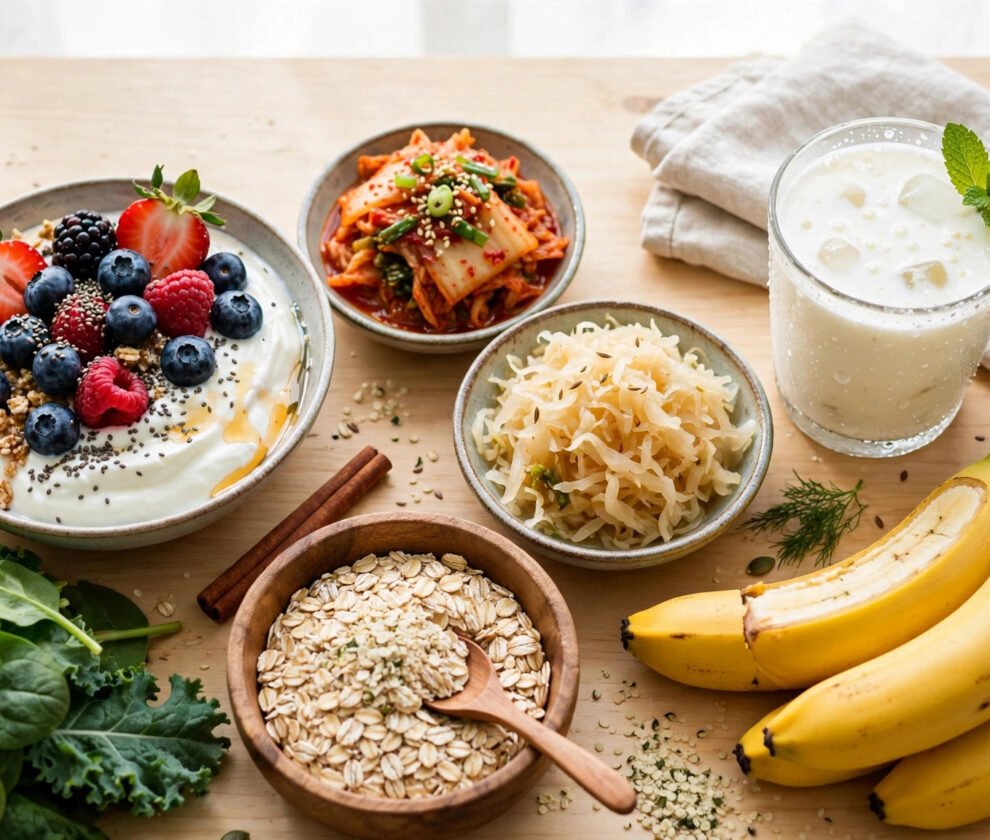
Protein: ~18–20 g per serving. Spoon 200 g of plain Greek yogurt into a bowl, top with a handful of mixed berries, a tablespoon of chopped walnuts, and a drizzle of honey. Greek yogurt contains roughly twice the protein of regular yogurt.
Tip: Choose plain yogurt and add your own fruit to avoid the added sugar in many flavored versions.
2. Veggie Omelet With Cheese
Protein: ~18 g per serving. Whisk 3 eggs, pour into a hot non-stick pan, and fill with diced bell peppers, spinach, mushrooms, and 30 g of grated cheese. Fold and cook until just set.
Tip: Prep chopped vegetables on Sunday evening so this takes under 10 minutes on busy mornings.
3. Overnight Oats With Protein Boost
Protein: ~15 g per serving. Mix 50 g rolled oats with 150 ml milk, 100 g Greek yogurt, a tablespoon of peanut butter, and a sliced banana in a jar. Refrigerate overnight and grab it on your way out.
Tip: Add a spoonful of hemp or chia seeds for extra protein and fiber.
4. Cottage Cheese Toast
Protein: ~14 g per serving. Spread 150 g of cottage cheese on two slices of whole-grain toast. Top one slice with sliced tomatoes, salt, and pepper; top the other with peach slices and cinnamon.
Tip: Full-fat cottage cheese tastes richer and keeps you fuller, but low-fat works too.
5. Protein Smoothie
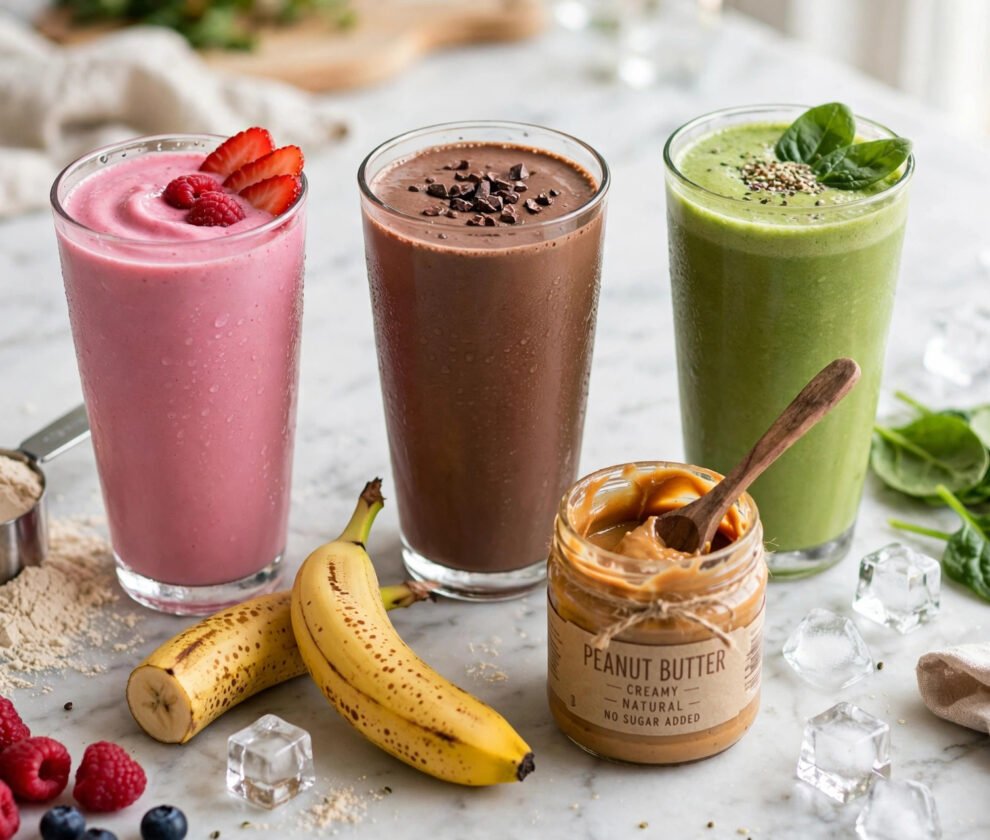
Protein: ~20–25 g per serving. Blend 250 ml milk (dairy or soy), one banana, 150 g Greek yogurt, a tablespoon of peanut butter, and a handful of frozen berries. Ready in 2 minutes.
Tip: Soy milk has far more protein than almond or oat milk — check the label if protein is your goal.
6. Tofu Scramble
Protein: ~14 g per serving. Crumble 200 g of firm tofu into a hot pan with turmeric, nutritional yeast, diced onion, and spinach. Cook 5–7 minutes until golden. A satisfying plant-based alternative to scrambled eggs.
Tip: Press the tofu for 10 minutes first so it crisps instead of steaming.
7. Smoked Salmon and Cream Cheese Bagel
Protein: ~20 g per serving. Toast a whole-grain bagel, spread with 2 tablespoons of cream cheese, and layer on 60 g of smoked salmon with capers, red onion, and lemon.
Tip: Salmon also provides omega-3 fats, which support heart and brain health.
8. Quinoa Breakfast Bowl
Protein: ~12 g per serving. Warm 150 g of cooked quinoa with 150 ml warm milk, then top with chopped apple, walnuts, and a pinch of cinnamon. Quinoa is one of the few plant foods that contains all essential amino acids.
Tip: Cook a big batch of quinoa on the weekend and refrigerate portions for the week.
9. Nut Butter Toast With Hemp Seeds
Protein: ~12 g per serving. Spread 2 tablespoons of peanut or almond butter on whole-grain toast, add banana slices, and sprinkle a tablespoon of hemp seeds on top.
Tip: Look for nut butters with no added sugar or palm oil — the ingredients list should be short.
10. Bean and Egg Breakfast Burrito
Protein: ~15 g per serving. Fill a whole-wheat tortilla with 2 scrambled eggs, 80 g of black beans, salsa, and a sprinkle of cheese. Wrap in foil for an easy on-the-go breakfast.
Tip: Make 4–5 at once, wrap individually, and reheat for 90 seconds in the morning.
Meal-Prep Tips for Busy Mornings
- Cook once, eat thrice: hard-boil a dozen eggs, cook quinoa or oats in bulk, and portion yogurt into jars on Sunday.
- Freeze smoothies: pack smoothie ingredients into freezer bags; in the morning just add liquid and blend.
- Keep emergency options: single-serve Greek yogurts, unsalted nuts, and whole fruit need zero prep.
- Pair protein with fiber: whole grains, fruit, and vegetables alongside your protein keep digestion steady and fullness lasting. Harvard’s healthy eating resources offer more guidance on building balanced plates.
Breakfasts to Limit
You do not need to ban any food, but some breakfasts work against your goals: frosted cereals and pastries deliver fast sugar with little protein, leaving you hungry an hour later. Flavored instant oatmeals can contain surprising amounts of added sugar — plain oats with your own toppings are a better choice. And be cautious with processed breakfast meats eaten daily; enjoy them occasionally rather than as a staple.
If structured eating appeals to you, pairing a protein-rich first meal with our 16:8 intermittent fasting guide for beginners can be a practical combination.
Frequently Asked Questions
Is a high-protein breakfast good for weight loss?
It can help. Protein increases fullness and reduces the urge to snack, which may lower your total daily calorie intake. Combined with an overall balanced diet and regular activity — like the strategies in our guide to lose belly fat naturally — a protein-rich breakfast is a useful tool, not a magic solution.
What is a good high-protein breakfast with no eggs?
Greek yogurt bowls, protein smoothies, overnight oats with yogurt and nut butter, tofu scrambles, and cottage cheese toast are all egg-free options delivering 12–25 grams of protein per serving.
Can I get enough protein at breakfast on a vegetarian diet?
Absolutely. Dairy, eggs, soy milk, tofu, tempeh, beans, lentils, quinoa, nuts, and seeds all provide quality protein. Combining two or more of these at breakfast easily reaches 20+ grams.
Is it bad to eat the same high-protein breakfast every day?
Not necessarily, but variety gives you a wider range of nutrients. Try rotating 3–4 favorites through the week. For broader meal inspiration, explore our Mediterranean diet guide for beginners and more nutrition guides.
Should I use protein powder at breakfast?
It is optional. Whole foods can meet your needs, but a scoop of protein powder in a smoothie or oats is a convenient shortcut on busy days. Choose products with minimal ingredients and no excessive added sugar.
Conclusion
A high-protein breakfast is one of the simplest upgrades you can make: aim for 20–30 grams from foods like Greek yogurt, eggs, tofu, salmon, or beans, add fiber-rich whole grains and fruit, and prep ahead so busy mornings do not derail you. Pick two or three ideas from this list, rotate them through your week, and notice how your hunger and energy change. For your next step, try one overnight recipe tonight — tomorrow morning, breakfast will already be waiting.
General health information only — not medical advice. Talk to a qualified professional about personal health decisions. See our Disclaimer.