
Category: Nutrition

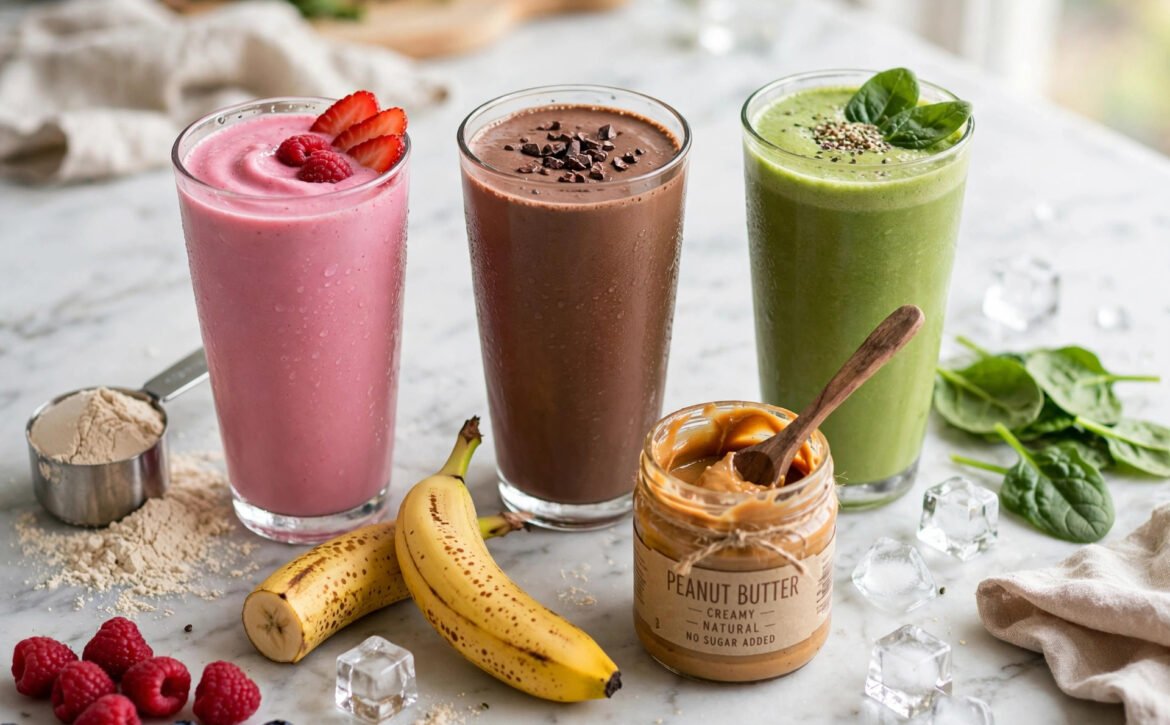
7 Homemade Protein Shakes for Weight Loss

Looking for homemade protein shakes for weight loss that taste great and actually keep you full? The short answer: yes — a well-built shake with 20–30 grams of protein, fiber, and healthy fats can reduce hunger, prevent snacking, and fit neatly into a calorie-controlled diet. In this guide, you will get 7 easy homemade protein shake recipes for weight loss — each with ingredients, instructions, protein and calorie counts — plus a simple formula for building your own and the mistakes that turn shakes into calorie bombs.

Can Protein Shakes Help You Lose Weight?

They can, when used wisely. Protein is the most satiating macronutrient: it slows digestion, steadies blood sugar, and triggers fullness hormones, which means a protein-rich shake keeps you satisfied far longer than a sugary coffee or a pastry with the same calories. That fullness makes it easier to eat less across the day without feeling deprived.

Protein also helps protect lean muscle while you lose weight. When calories drop, the body can break down muscle along with fat — adequate protein intake helps preserve muscle, which keeps your metabolism healthier during weight loss. That said, shakes are a tool, not a magic solution: they work as part of an overall balanced diet and active lifestyle. Pairing them with the strategies in our guide to lose belly fat naturally gives you a complete, sustainable plan.

The Weight-Loss Shake Formula

Every effective weight-loss shake follows the same blueprint. Build yours with these five components:

  • Protein base (20–30 g): Greek yogurt, cottage cheese, milk, soy milk, or a scoop of protein powder.
  • Fiber (5–10 g): berries, banana, oats, chia seeds, flaxseed, or spinach.
  • Healthy fat (1 serving): a tablespoon of peanut butter, a quarter avocado, or a teaspoon of chia/flax seeds. Fat slows digestion and boosts satisfaction — but measure it, since fats are calorie-dense.
  • Liquid: water, milk, or unsweetened plant milk. Milk adds protein; water keeps calories lowest.
  • Flavor without sugar: cocoa powder, cinnamon, vanilla extract, or frozen fruit instead of honey, syrup, or juice.

Target roughly 250–400 calories per shake when using it as a meal, or 150–250 calories as a snack. According to the WHO’s healthy diet guidance, balanced meals built on whole foods are the foundation of healthy eating — your shake should look like a balanced mini-meal in a glass, not a dessert.

7 Homemade Protein Shakes for Weight Loss

1. Classic Berry Blast

Protein: ~24 g | Calories: ~280

Ingredients: 200 g plain Greek yogurt, 1 cup frozen mixed berries, 250 ml low-fat milk, 1 tablespoon chia seeds, ice as needed.

Instructions: Add everything to a blender and blend until smooth, about 45 seconds. The berries and chia deliver fiber, while Greek yogurt supplies the protein.

Why it works: High protein plus high fiber — the most filling combination. Berries add sweetness with relatively few calories.

2. Chocolate Peanut Butter Shake

Protein: ~26 g | Calories: ~350

Ingredients: 1 scoop chocolate protein powder (or 200 g Greek yogurt + 1 tbsp cocoa), 1 tablespoon natural peanut butter, 1 small banana, 250 ml milk, ice.

Instructions: Blend until creamy. If using yogurt instead of protein powder, add the cocoa powder with the other ingredients.

Why it works: Tastes like a milkshake but delivers a full meal’s protein. Measure the peanut butter — eyeballing it is the easiest way to add 200 hidden calories.

3. Green Spinach Mango Shake

Protein: ~22 g | Calories: ~270

Ingredients: 200 g plain Greek yogurt, 1 large handful fresh spinach, 1 cup frozen mango chunks, 250 ml water or coconut water, juice of half a lime, ice.

Instructions: Blend the spinach and liquid first until completely smooth, then add the remaining ingredients and blend again. You will taste mango and lime, not spinach.

Why it works: A full serving of greens disappears into tropical flavor, adding fiber, vitamins, and volume for very few calories.

4. Coffee Protein Shake

Protein: ~25 g | Calories: ~260

Ingredients: 1 shot espresso or 120 ml strong cooled coffee, 200 g Greek yogurt or 1 scoop vanilla protein powder, 1 small frozen banana, 250 ml low-fat milk, 1 teaspoon cocoa powder, ice.

Instructions: Blend everything until frothy. Brew the coffee ahead and chill it so it does not melt the ice instantly.

Why it works: Replaces a sugary coffee-shop drink (often 400+ calories) with a protein-rich breakfast that covers your morning caffeine and meal in one glass.

5. Overnight Oats Shake

Protein: ~21 g | Calories: ~330

Ingredients: 40 g rolled oats, 150 g Greek yogurt, 1 tablespoon peanut butter, 1 small banana, 200 ml milk, 1 teaspoon cinnamon, ice.

Instructions: For the smoothest texture, soak the oats in the milk for 10 minutes (or overnight in the fridge), then blend with everything else.

Why it works: Oats add beta-glucan fiber, which is strongly linked to fullness. This is the most “meal-like” shake on the list — ideal as a breakfast replacement alongside our high-protein breakfast ideas.

6. Tropical Coconut Pineapple Shake

Protein: ~20 g | Calories: ~290

Ingredients: 200 g plain Greek yogurt, 1 cup frozen pineapple, 100 ml light coconut milk, 200 ml water, 1 tablespoon shredded coconut (optional), ice.

Instructions: Blend until smooth and frosty. Use light coconut milk — full-fat canned coconut milk can double the calories.

Why it works: Vacation flavor with a diet-friendly profile. Pineapple’s natural sweetness means no added sweetener is needed.

7. Cinnamon Apple Pie Shake

Protein: ~23 g | Calories: ~300

Ingredients: 1 scoop vanilla protein powder (or 200 g Greek yogurt + 1 tsp vanilla), 1 medium apple (cored, skin on), 250 ml milk, 1 tablespoon almond butter, 1 teaspoon cinnamon, pinch of nutmeg, ice.

Instructions: Chop the apple roughly and blend everything for a full minute until the skin disappears into the shake.

Why it works: Apple skin adds fiber and the warm spices trick your brain into tasting dessert — comfort food that supports your goals.

Protein Shake Comparison at a Glance

Shake Protein Approx. Calories Best For
Classic Berry Blast ~24 g ~280 Maximum fullness, high fiber
Chocolate Peanut Butter ~26 g ~350 Sweet cravings, post-workout
Green Spinach Mango ~22 g ~270 Getting in greens easily
Coffee Protein Shake ~25 g ~260 Breakfast + caffeine in one
Overnight Oats Shake ~21 g ~330 Hearty meal replacement
Tropical Coconut Pineapple ~20 g ~290 Light, refreshing option
Cinnamon Apple Pie ~23 g ~300 Dessert-like comfort

5 Mistakes That Turn Shakes Into Calorie Bombs

  • Free-pouring nut butter: two “spoonfuls” can be 400 calories. Measure one tablespoon.
  • Adding juice as the liquid: fruit juice adds 100+ calories of pure sugar with none of the fiber. Use water or milk.
  • Honey, syrup, and agave: a “healthy” drizzle can add 60–100 calories. Frozen fruit is sweet enough.
  • Skipping the protein: a fruit-and-juice smoothie with no protein source is just sugar water — it will not keep you full. Always include a real protein base.
  • Drinking it with a meal: a 300-calorie shake plus breakfast is a 600-calorie breakfast. Use shakes to replace a meal or snack, not alongside one.

Tips to Make Protein Shakes Work for Weight Loss

  • Replace, don’t add: swap your usual breakfast or afternoon snack for a shake rather than adding it on top.
  • Prep freezer packs: portion fruit, spinach, and oats into bags; in the morning add liquid and protein and blend.
  • Watch the clock: a shake makes an excellent post-workout meal — protein supports recovery after home strength training.
  • Chew something too: liquids empty from the stomach faster. If hunger returns quickly, pair your shake with a piece of whole fruit or a handful of nuts.
  • Keep protein powder simple: if you use it, choose products with short ingredient lists and minimal added sugar. Harvard’s healthy eating resources offer guidance on building balanced meals around any eating pattern.

Frequently Asked Questions

Are homemade protein shakes good for weight loss?

They can be effective when they replace a higher-calorie meal or snack. A shake with 20–30 grams of protein and 250–400 calories promotes fullness and helps control total daily intake. They work best as part of a balanced diet — see our Mediterranean diet guide for an overall eating pattern that supports healthy weight.

When is the best time to drink a protein shake for weight loss?

There is no magic window. Breakfast is popular because a protein-rich start reduces snacking all morning; post-workout also works well. What matters most is that the shake replaces calories you would otherwise eat, not adds to them. Find more practical strategies in our nutrition guides.

Can I replace two meals a day with protein shakes?

One meal replacement per day is a reasonable, sustainable approach for most people. Replacing two or more meals long-term risks nutrient gaps and is hard to maintain — whole-food meals provide fiber variety, chewing satisfaction, and micronutrients that shakes cannot fully replicate.

Do I need protein powder to make these shakes?

No. Every recipe here works with Greek yogurt, cottage cheese, or milk as the protein base — whole foods first is always fine. Protein powder is simply a convenient, low-calorie concentrated option. Choose one with minimal ingredients if you buy it.

How many calories should a weight-loss shake have?

Aim for 250–400 calories when replacing a meal and 150–250 calories for a snack replacement. Below 200 calories as a “meal,” most people get hungry again within an hour; above 450, the shake stops being a useful calorie saver.

Conclusion

Homemade protein shakes for weight loss work when they follow a simple formula: 20–30 grams of protein, fiber from fruit or oats, a measured serving of healthy fat, and no added sugars — used to replace a meal, not supplement one. The 7 recipes above give you a full week of options, from chocolate peanut butter to green mango. Pick the two that sound best, prep freezer bags tonight, and start tomorrow: blend, drink, and notice how much longer you stay full. Small, repeatable habits like this are what steady weight loss is built on.

General health information only — not medical advice. Talk to a qualified professional about personal health decisions. See our Disclaimer.
Read More

10 Best Foods for Gut Health and Digestion

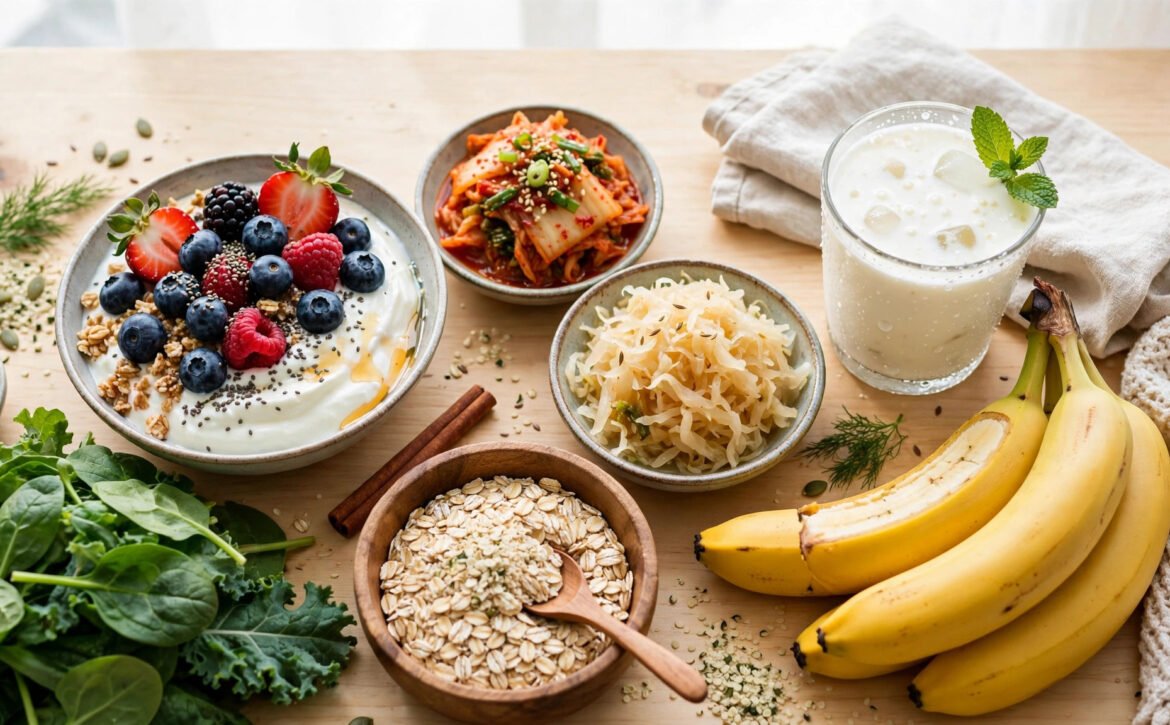
Wondering which foods for gut health are actually worth adding to your plate? The short answer: fermented foods like yogurt, kefir, and kimchi, plus fiber-rich foods like oats, beans, leafy greens, and berries, are among the best-supported choices for a healthy digestive system. In this guide, you will discover 10 of the best foods for gut health and digestion, why each one works, simple ways to eat them every day, and which foods may work against your gut.

Why Gut Health Matters

Your gut is home to trillions of microorganisms — collectively called the gut microbiome — that help digest food, produce certain vitamins, and interact with your immune system. When this microbial community is balanced and diverse, digestion tends to run more smoothly. When it is disrupted, people commonly experience bloating, irregular bowel movements, and general digestive discomfort.

Diet is one of the most powerful levers you have over your gut microbiome. Research consistently shows that what you eat can shift the composition of gut bacteria within days. A pattern rich in fiber, fermented foods, and plant variety is associated with a more diverse microbiome, while diets heavy in ultra-processed foods are linked to less favorable microbial profiles. As the WHO’s healthy diet guidance notes, diets built around whole foods — fruits, vegetables, legumes, and whole grains — form the foundation of good health.

What Makes a Food Good for Gut Health?

Before the list, it helps to know what you are looking for. Gut-friendly foods generally fall into three categories:

  • Probiotic foods: Fermented foods that contain live beneficial bacteria, such as yogurt, kefir, sauerkraut, and kimchi.
  • Prebiotic foods: Foods rich in specific fibers that feed beneficial gut bacteria — found in oats, bananas, garlic, onions, and legumes.
  • Fiber-rich foods: Fruits, vegetables, whole grains, and legumes. Fiber adds bulk to stool, supports regular bowel movements, and is fermented by gut bacteria into short-chain fatty acids that nourish the gut lining.

The best approach combines all three: eat some fermented foods most days, and build every meal around fiber-rich plants.

10 Best Foods for Gut Health and Digestion

1. Greek Yogurt

Yogurt made with live active cultures is one of the most accessible probiotic foods. The live bacteria in yogurt can help support a balanced gut microbiome, and yogurt is also a good source of protein and calcium.

How to eat it: Choose plain yogurt with “live and active cultures” on the label, and add your own fruit and nuts. Flavored yogurts often contain large amounts of added sugar. Try it as one of our high-protein breakfast ideas — a Greek yogurt bowl with berries covers probiotics, fiber, and protein in one meal.

2. Kefir

Kefir is a fermented milk drink that typically contains a wider variety of bacterial strains than yogurt — sometimes dozens. It has a tangy taste and a drinkable texture, making it easy to add to smoothies or drink on its own.

How to eat it: Start with a small glass (about 150–200 ml) per day, especially if you are new to fermented foods. Plain kefir works well blended with frozen fruit. People who are lactose-sensitive often tolerate kefir better than milk because fermentation breaks down much of the lactose.

3. Sauerkraut

Sauerkraut is finely shredded cabbage fermented with salt. When it is raw and unpasteurized, it contains live lactic-acid bacteria. It is also a source of fiber and vitamin C.

How to eat it: Look for refrigerated sauerkraut labeled “raw” or “unpasteurized” — shelf-stable canned versions have been heat-treated, which kills the live cultures. Add a forkful to sandwiches, grain bowls, or salads.

4. Kimchi

Kimchi, the Korean staple of fermented napa cabbage and radish with chili, garlic, and ginger, delivers probiotics along with fiber and antioxidant-rich spices. Like sauerkraut, it must be raw and unpasteurized to contain live cultures.

How to eat it: Serve a small side portion with rice bowls, eggs, or stir-fries. Because it is spicy and salty, a little goes a long way — 2–3 tablespoons per serving is plenty.

5. Oats

Oats are rich in beta-glucan, a soluble fiber that gut bacteria ferment readily. Oats also support regular bowel movements and help you feel full, which makes them a smart staple for both digestion and weight management.

How to eat it: Overnight oats, warm oatmeal with berries, or oats blended into smoothies. Choose plain rolled or steel-cut oats over sugary instant packets.

6. Beans and Lentils

Legumes are among the best sources of prebiotic fiber. Lentils, chickpeas, black beans, and kidney beans feed beneficial gut bacteria and add bulk that supports regularity. They are also affordable, filling, and rich in plant protein.

How to eat it: If beans currently cause gas, introduce them gradually — start with 2–3 tablespoons daily and increase over two weeks while drinking plenty of water. Rinsing canned beans reduces some of the gas-forming compounds. The Mediterranean diet, which features legumes prominently, is a great eating pattern for gut health.

7. Leafy Greens

Spinach, kale, and other leafy greens provide fiber plus a unique plant sugar called sulfoquinovose that certain beneficial gut bacteria thrive on. They are also rich in vitamins A, C, and K and folate.

How to eat it: Add a handful of spinach to smoothies (you will not taste it), wilt greens into soups and pasta, or build salads on a base of mixed leaves.

8. Berries

Blueberries, raspberries, strawberries, and blackberries combine fiber with polyphenols — plant compounds that act as antioxidants and appear to support beneficial gut bacteria. Raspberries are especially fiber-dense, with about 8 grams per cup.

How to eat it: Fresh or frozen both count — frozen berries are picked ripe and are often cheaper. Add them to yogurt, oatmeal, or salads, or eat a bowl as a snack.

9. Bananas

Bananas provide prebiotic fiber, including fructooligosaccharides that feed good gut bacteria. Slightly underripe bananas contain more resistant starch, a particularly beneficial type of fiber for the gut.

How to eat it: A banana with breakfast, sliced onto oatmeal, or blended into a smoothie. They are also gentle on the stomach, making them a good choice when digestion feels unsettled.

10. Ginger

Ginger has a long history of use for digestive comfort. It may help food move through the stomach more efficiently, which can ease feelings of fullness and bloating after meals. It also adds warm flavor without calories.

How to eat it: Grate fresh ginger into stir-fries, soups, and teas, or blend a small piece into smoothies. Ginger tea after a heavy meal is a soothing ritual.

Gut-Healthy Foods at a Glance

Food Key Gut Benefit Easy Daily Serving
Greek yogurt Live probiotic cultures + protein 200 g bowl with fruit
Kefir Diverse probiotic strains 150–200 ml drink or smoothie
Sauerkraut Live lactic-acid bacteria + fiber 2–3 tbsp on salads or bowls
Kimchi Probiotics + fiber + spices 2–3 tbsp as a side
Oats Beta-glucan soluble fiber 50 g as oatmeal or overnight oats
Beans & lentils Prebiotic fiber + plant protein 80–100 g in soups, salads, bowls
Leafy greens Fiber + bacteria-feeding plant sugars 1–2 handfuls in meals or smoothies
Berries Fiber + polyphenols 1 cup fresh or frozen
Bananas Prebiotic fiber, gentle on stomach 1 medium banana
Ginger Supports comfortable digestion Fresh grated in tea or cooking

Foods That May Work Against Your Gut

You do not need to fear any single food, but some eating patterns are consistently linked to less favorable gut outcomes:

  • Ultra-processed foods: Packaged snacks, sugary drinks, and fast food are typically low in fiber and high in added sugars, refined starches, and additives — a combination associated with reduced microbial diversity.
  • Excess alcohol: Heavy drinking can irritate the gut lining and disturb microbial balance. If you drink, moderation matters.
  • Very high-sugar diets: Large amounts of added sugar may favor less beneficial microbes. Harvard’s healthy eating resources recommend keeping added sugars low as part of an overall balanced pattern.
  • Eating too fast: Not a food, but rushing meals means less chewing and more swallowed air — both common contributors to bloating. Slow down and chew thoroughly.

Simple Tips to Build a Gut-Friendly Day

  • Start with one fermented food daily: yogurt at breakfast or kimchi at dinner — consistency beats quantity.
  • Aim for 25–30 grams of fiber: most adults fall far short. Add one extra vegetable, fruit, or legume serving to each meal.
  • Drink enough water: fiber works best with fluids; increase both together to avoid constipation.
  • Eat the rainbow: different plant colors feed different bacteria — variety is the goal.
  • Increase fiber gradually: jumping from very low to very high fiber overnight often causes gas and bloating. Add a little more each week.

Frequently Asked Questions

What are the absolute best foods for gut health?

Fermented foods with live cultures (yogurt, kefir, kimchi, sauerkraut) and fiber-rich plant foods (oats, beans, lentils, leafy greens, berries, bananas) have the strongest support. No single food does it alone — a varied, plant-rich diet with daily fermented foods is the winning pattern.

How long does it take to improve gut health through diet?

Gut bacteria begin shifting within a few days of dietary change, but meaningful, stable improvements in digestion typically take 2–4 weeks of consistent eating. Be patient and focus on steady habits rather than quick fixes.

Are probiotic supplements better than probiotic foods?

Not necessarily. Fermented foods provide live bacteria plus fiber, nutrients, and food matrix benefits that pills lack, and they are far cheaper. Supplements may have a role in specific situations — discuss them with a healthcare professional rather than self-prescribing.

Can fiber make bloating worse?

Temporarily, yes — especially if you increase fiber suddenly. Gas and bloating usually settle within 1–2 weeks as your gut adjusts. Increase fiber gradually, drink plenty of water, and spread fiber across meals. Persistent or severe bloating deserves a medical check.

Should I avoid gluten or dairy for gut health?

Only if you have a diagnosed intolerance, allergy, or celiac disease. For most people, whole grains and fermented dairy like yogurt and kefir actively support gut health. Eliminating entire food groups without a medical reason can reduce dietary variety and make your diet worse, not better. Explore more balanced approaches in our nutrition guides.

Conclusion

The best foods for gut health are not exotic or expensive: plain yogurt, kefir, sauerkraut, kimchi, oats, beans, lentils, leafy greens, berries, bananas, and ginger cover probiotics, prebiotics, and fiber — the three pillars of a happy gut. Start small: add one fermented food and one extra fiber source to your day, increase gradually, drink water, and give it a few weeks. Your digestion will thank you. For your next step, try a Greek yogurt and berry bowl tomorrow morning — it takes five minutes and checks nearly every gut-health box.

General health information only — not medical advice. Talk to a qualified professional about personal health decisions. See our Disclaimer.
Read More

Mediterranean Diet for Beginners: Complete 2026 Guide

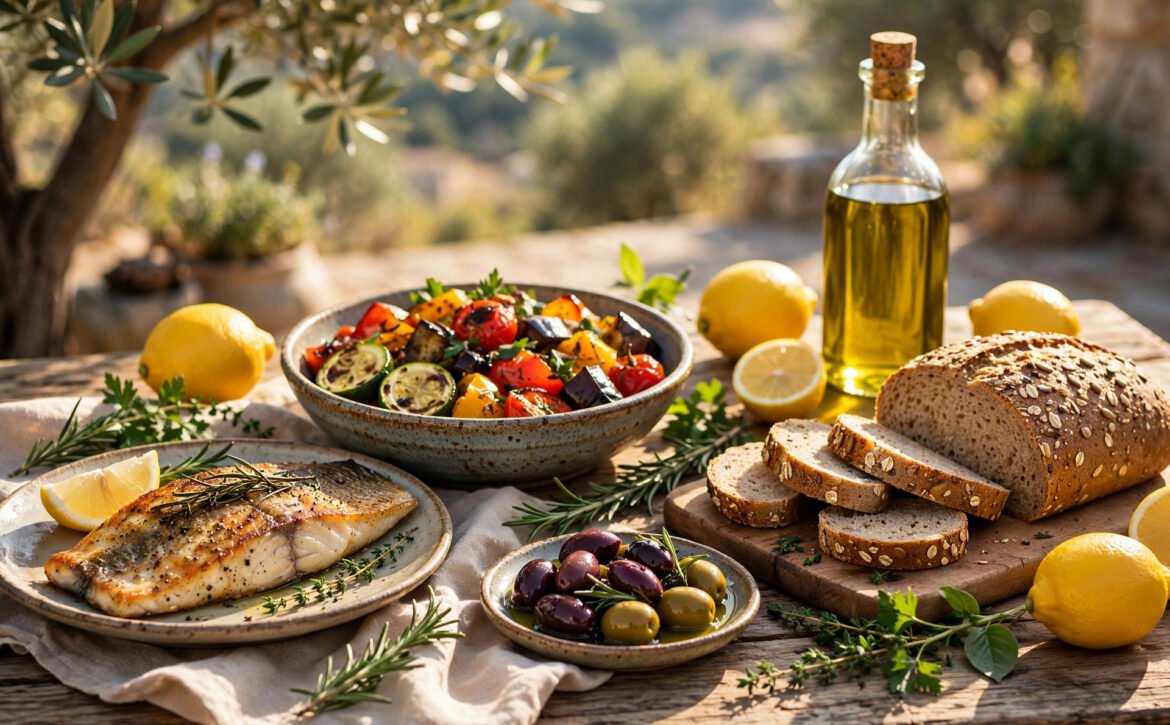
Curious about the Mediterranean diet for beginners? In short: it is a flexible, enjoyable eating pattern based on vegetables, fruits, whole grains, legumes, olive oil, fish, and nuts — consistently linked in research to better heart health and healthy weight management. This complete guide explains what the Mediterranean diet is, what to eat and avoid, and gives you a simple 7-day meal plan to start this week.

What Is the Mediterranean Diet?

The Mediterranean diet is inspired by the traditional eating habits of countries bordering the Mediterranean Sea, such as Greece, Italy, and Spain. Importantly, it is not a strict “diet” with rigid rules or calorie counting — it is a pattern of eating that emphasizes whole, minimally processed foods.

Large studies, including the well-known PREDIMED trial, have associated this eating pattern with a lower risk of heart disease and stroke. The WHO’s healthy diet fact sheet echoes the same principles: plenty of fruits and vegetables, whole grains, and healthy fats while limiting salt, sugar, and highly processed foods.

Foods to Eat on the Mediterranean Diet

Build most of your meals around these staples:

  • Vegetables: leafy greens, tomatoes, peppers, broccoli, carrots, cucumbers
  • Fruits: berries, apples, oranges, grapes, figs — eaten fresh, not juiced
  • Whole grains: oats, brown rice, quinoa, whole-wheat bread and pasta
  • Legumes: lentils, chickpeas, black beans, peas
  • Healthy fats: extra-virgin olive oil as your main cooking fat, plus nuts and seeds
  • Fish and seafood: salmon, sardines, mackerel, tuna — at least twice a week
  • Poultry and eggs: in moderate amounts
  • Dairy: yogurt and cheese in modest portions
  • Herbs and spices: garlic, basil, oregano, turmeric — flavor instead of salt

Foods to Limit or Avoid

  • Sugary drinks, sweets, and pastries
  • Highly processed snacks and fast food
  • Processed meats (sausages, bacon, deli meats)
  • Refined grains (white bread, sugary cereals)
  • Butter and other saturated-fat-heavy spreads — use olive oil instead
  • Excessive alcohol; if you drink, keep it moderate and occasional

You do not need to eliminate these forever. The Mediterranean approach is about mostly eating the good stuff, not perfection.

Simple 7-Day Mediterranean Meal Plan

This beginner-friendly plan uses affordable, easy-to-find ingredients. Adjust portions to your appetite and activity level.

Day Breakfast Lunch Dinner
Monday Greek yogurt with berries and walnuts Lentil soup with whole-grain bread Grilled salmon, roasted vegetables, quinoa
Tuesday Oatmeal with sliced banana and almonds Chickpea salad with olive oil and lemon Whole-wheat pasta with tomato, garlic, and spinach
Wednesday Whole-grain toast with avocado and egg Tuna and white-bean salad Baked chicken with herbs, brown rice, steamed broccoli
Thursday Smoothie with yogurt, mango, and spinach Vegetable and barley soup Sardines on whole-grain toast with a big green salad
Friday Greek yogurt with honey and pistachios Hummus wrap with grilled vegetables Mackerel with roasted peppers and couscous
Saturday Veggie omelet with feta cheese Quinoa tabbouleh with chickpeas Lentil and vegetable stew with crusty whole-grain bread
Sunday Overnight oats with apple and cinnamon Greek salad with olives and feta Herb-roasted chicken thighs, sweet potato, green beans

Mediterranean Diet Benefits: What the Research Shows

The Mediterranean diet is one of the most studied eating patterns in nutrition science, and the findings are consistently positive. The landmark PREDIMED trial found that a Mediterranean diet supplemented with extra-virgin olive oil or nuts was associated with roughly a 30% lower risk of major cardiovascular events compared with a low-fat control diet. Other research has linked the pattern to better blood-sugar control, healthier cholesterol levels, and slower cognitive decline with aging.

Why does it work so well? Scientists point to the combination: fiber from vegetables, legumes, and whole grains feeds beneficial gut bacteria; monounsaturated fats from olive oil and nuts support heart health; and the overall pattern is naturally low in the added sugars and refined starches that drive inflammation. No single “superfood” is responsible — it is the pattern that delivers results, which is exactly why it is sustainable for life rather than a 30-day challenge.

Your First Mediterranean Grocery List

Keep it simple for week one. You do not need specialty stores — a regular supermarket covers everything:

  • Produce: spinach, tomatoes, cucumbers, bell peppers, broccoli, lemons, apples, berries, bananas
  • Pantry: extra-virgin olive oil, brown rice, rolled oats, whole-wheat pasta, canned chickpeas, red lentils, canned tuna or sardines
  • Dairy and eggs: plain Greek yogurt, feta cheese, a dozen eggs
  • Nuts and flavor: walnuts, almonds, garlic, dried oregano, black pepper
  • Protein for the week: salmon or mackerel fillets (fresh or frozen), chicken thighs

With these basics on hand, you can assemble nearly every meal in the 7-day plan above without extra shopping trips.

5 Tips to Start This Week

  1. Swap your cooking fat: replace butter with extra-virgin olive oil for sautéing and dressings.
  2. Add one vegetable to every meal: even a handful of spinach or sliced tomatoes counts.
  3. Go meatless twice a week: try lentil soup or chickpea curry — cheap, filling, and nutritious. If mornings are your weak point, our high-protein breakfast ideas fit perfectly into this pattern.
  4. Snack smarter: keep nuts, fruit, and yogurt on hand instead of chips and biscuits.
  5. Eat mindfully: Mediterranean cultures value relaxed, social meals. Slow down, chew well, and notice when you are satisfied.

Common Beginner Mistakes

Mistake 1: Drowning everything in olive oil. It is healthy, but still calorie-dense — 1–2 tablespoons per meal is plenty. Mistake 2: Eating huge portions of pasta and bread. Whole grains are part of the pattern, but vegetables should fill half your plate. Mistake 3: Treating it as a short-term diet. The benefits come from long-term habits, so choose changes you can maintain. For more structured eating strategies, you may also like our 16:8 intermittent fasting guide for beginners.

Frequently Asked Questions

Is the Mediterranean diet good for weight loss?

It can support gradual, sustainable weight loss because it is rich in fiber and healthy fats that keep you full, while naturally crowding out ultra-processed foods. Research on obesity and overweight from WHO consistently shows that whole-food eating patterns outperform crash diets. For targeted strategies, see our guide to lose belly fat naturally.

Can vegetarians follow the Mediterranean diet?

Easily — the diet is already plant-heavy. Vegetarians can lean on legumes, lentils, chickpeas, nuts, eggs, yogurt, and cheese for protein, and simply skip the fish and poultry portions of the plan.

Is the Mediterranean diet expensive?

It does not have to be. Lentils, beans, oats, seasonal vegetables, and frozen fish are all budget-friendly. Olive oil costs more than refined oils, but a bottle lasts a long time when used at 1–2 tablespoons per meal.

How quickly will I see results?

Most people notice better digestion and steadier energy within 2–3 weeks. Meaningful changes in weight, cholesterol, or blood pressure typically take 2–3 months of consistent eating. This is a lifestyle, not a 30-day fix.

Do I need to count calories on the Mediterranean diet?

No — that is one of its strengths. Focus on food quality, reasonable portions, and eating until satisfied rather than stuffed. If weight loss stalls, reviewing portion sizes (especially of oils, nuts, and grains) is the first step. Browse more nutrition guides for related meal ideas.

Conclusion

The Mediterranean diet for beginners comes down to a simple formula: vegetables and fruit at every meal, whole grains and legumes daily, olive oil as your main fat, fish twice a week, and minimal processed food. Start with the 7-day plan above, make one or two swaps this week — olive oil instead of butter, nuts instead of chips — and build from there. Small, consistent changes beat dramatic overhauls every time.

General health information only — not medical advice. Talk to a qualified professional about personal health decisions. See our Disclaimer.

Read More

10 High-Protein Breakfast Ideas for Weight Loss and Energy

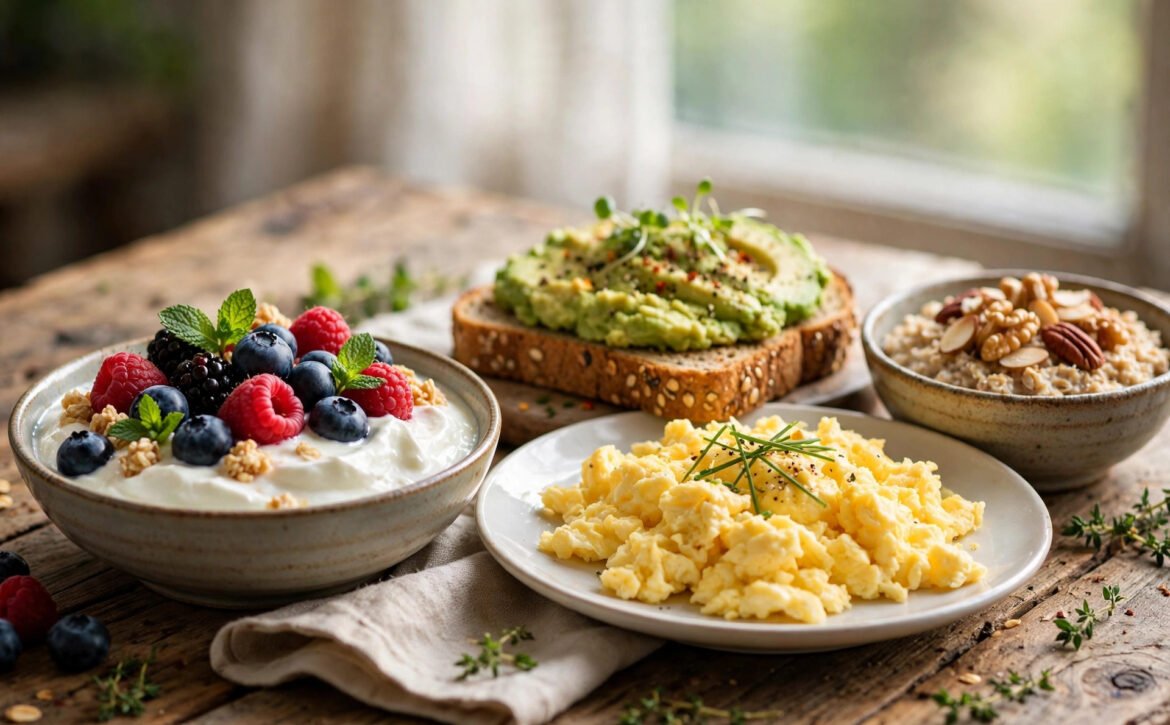
Looking for high protein breakfast ideas that actually keep you full and energized? The short answer: yes, starting your day with 20–30 grams of protein can reduce mid-morning cravings, stabilize your energy, and support weight-loss goals. In this guide, you will find 10 practical, tasty high-protein breakfast ideas — each with its approximate protein content, quick preparation tips, and options for busy mornings.

Why a High-Protein Breakfast Works

Protein is the most filling of the three macronutrients. Compared with a sugary cereal or a plain bagel, a protein-rich breakfast slows digestion, steadies blood sugar, and triggers fullness hormones such as peptide YY. That means fewer 11 a.m. snack attacks and less overeating at lunch.

Protein also supports muscle maintenance, which matters if you are exercising or trying to lose weight. When calories are reduced, adequate protein helps your body hold on to lean muscle instead of breaking it down. According to the WHO’s healthy diet guidance, balanced meals built around whole foods are the foundation of healthy eating — and breakfast is a great place to start.

How Much Protein Do You Need at Breakfast?

Most adults benefit from roughly 20–30 grams of protein at breakfast, though your ideal amount depends on your body size, activity level, and goals. Active people and those doing strength training at home generally need more total protein across the day.

A useful rule of thumb: include one palm-sized portion of a protein-rich food (eggs, yogurt, tofu, fish) plus a smaller supporting source (nuts, seeds, milk) at breakfast. The 10 ideas below each deliver around 12–25 grams per serving.

10 High-Protein Breakfast Ideas

1. Greek Yogurt Bowl With Berries and Nuts

Protein: ~18–20 g per serving. Spoon 200 g of plain Greek yogurt into a bowl, top with a handful of mixed berries, a tablespoon of chopped walnuts, and a drizzle of honey. Greek yogurt contains roughly twice the protein of regular yogurt.

Tip: Choose plain yogurt and add your own fruit to avoid the added sugar in many flavored versions.

2. Veggie Omelet With Cheese

Protein: ~18 g per serving. Whisk 3 eggs, pour into a hot non-stick pan, and fill with diced bell peppers, spinach, mushrooms, and 30 g of grated cheese. Fold and cook until just set.

Tip: Prep chopped vegetables on Sunday evening so this takes under 10 minutes on busy mornings.

3. Overnight Oats With Protein Boost

Protein: ~15 g per serving. Mix 50 g rolled oats with 150 ml milk, 100 g Greek yogurt, a tablespoon of peanut butter, and a sliced banana in a jar. Refrigerate overnight and grab it on your way out.

Tip: Add a spoonful of hemp or chia seeds for extra protein and fiber.

4. Cottage Cheese Toast

Protein: ~14 g per serving. Spread 150 g of cottage cheese on two slices of whole-grain toast. Top one slice with sliced tomatoes, salt, and pepper; top the other with peach slices and cinnamon.

Tip: Full-fat cottage cheese tastes richer and keeps you fuller, but low-fat works too.

5. Protein Smoothie

Protein: ~20–25 g per serving. Blend 250 ml milk (dairy or soy), one banana, 150 g Greek yogurt, a tablespoon of peanut butter, and a handful of frozen berries. Ready in 2 minutes.

Tip: Soy milk has far more protein than almond or oat milk — check the label if protein is your goal.

6. Tofu Scramble

Protein: ~14 g per serving. Crumble 200 g of firm tofu into a hot pan with turmeric, nutritional yeast, diced onion, and spinach. Cook 5–7 minutes until golden. A satisfying plant-based alternative to scrambled eggs.

Tip: Press the tofu for 10 minutes first so it crisps instead of steaming.

7. Smoked Salmon and Cream Cheese Bagel

Protein: ~20 g per serving. Toast a whole-grain bagel, spread with 2 tablespoons of cream cheese, and layer on 60 g of smoked salmon with capers, red onion, and lemon.

Tip: Salmon also provides omega-3 fats, which support heart and brain health.

8. Quinoa Breakfast Bowl

Protein: ~12 g per serving. Warm 150 g of cooked quinoa with 150 ml warm milk, then top with chopped apple, walnuts, and a pinch of cinnamon. Quinoa is one of the few plant foods that contains all essential amino acids.

Tip: Cook a big batch of quinoa on the weekend and refrigerate portions for the week.

9. Nut Butter Toast With Hemp Seeds

Protein: ~12 g per serving. Spread 2 tablespoons of peanut or almond butter on whole-grain toast, add banana slices, and sprinkle a tablespoon of hemp seeds on top.

Tip: Look for nut butters with no added sugar or palm oil — the ingredients list should be short.

10. Bean and Egg Breakfast Burrito

Protein: ~15 g per serving. Fill a whole-wheat tortilla with 2 scrambled eggs, 80 g of black beans, salsa, and a sprinkle of cheese. Wrap in foil for an easy on-the-go breakfast.

Tip: Make 4–5 at once, wrap individually, and reheat for 90 seconds in the morning.

Meal-Prep Tips for Busy Mornings

  • Cook once, eat thrice: hard-boil a dozen eggs, cook quinoa or oats in bulk, and portion yogurt into jars on Sunday.
  • Freeze smoothies: pack smoothie ingredients into freezer bags; in the morning just add liquid and blend.
  • Keep emergency options: single-serve Greek yogurts, unsalted nuts, and whole fruit need zero prep.
  • Pair protein with fiber: whole grains, fruit, and vegetables alongside your protein keep digestion steady and fullness lasting. Harvard’s healthy eating resources offer more guidance on building balanced plates.

Breakfasts to Limit

You do not need to ban any food, but some breakfasts work against your goals: frosted cereals and pastries deliver fast sugar with little protein, leaving you hungry an hour later. Flavored instant oatmeals can contain surprising amounts of added sugar — plain oats with your own toppings are a better choice. And be cautious with processed breakfast meats eaten daily; enjoy them occasionally rather than as a staple.

If structured eating appeals to you, pairing a protein-rich first meal with our 16:8 intermittent fasting guide for beginners can be a practical combination.

Frequently Asked Questions

Is a high-protein breakfast good for weight loss?

It can help. Protein increases fullness and reduces the urge to snack, which may lower your total daily calorie intake. Combined with an overall balanced diet and regular activity — like the strategies in our guide to lose belly fat naturally — a protein-rich breakfast is a useful tool, not a magic solution.

What is a good high-protein breakfast with no eggs?

Greek yogurt bowls, protein smoothies, overnight oats with yogurt and nut butter, tofu scrambles, and cottage cheese toast are all egg-free options delivering 12–25 grams of protein per serving.

Can I get enough protein at breakfast on a vegetarian diet?

Absolutely. Dairy, eggs, soy milk, tofu, tempeh, beans, lentils, quinoa, nuts, and seeds all provide quality protein. Combining two or more of these at breakfast easily reaches 20+ grams.

Is it bad to eat the same high-protein breakfast every day?

Not necessarily, but variety gives you a wider range of nutrients. Try rotating 3–4 favorites through the week. For broader meal inspiration, explore our Mediterranean diet guide for beginners and more nutrition guides.

Should I use protein powder at breakfast?

It is optional. Whole foods can meet your needs, but a scoop of protein powder in a smoothie or oats is a convenient shortcut on busy days. Choose products with minimal ingredients and no excessive added sugar.

Conclusion

A high-protein breakfast is one of the simplest upgrades you can make: aim for 20–30 grams from foods like Greek yogurt, eggs, tofu, salmon, or beans, add fiber-rich whole grains and fruit, and prep ahead so busy mornings do not derail you. Pick two or three ideas from this list, rotate them through your week, and notice how your hunger and energy change. For your next step, try one overnight recipe tonight — tomorrow morning, breakfast will already be waiting.

General health information only — not medical advice. Talk to a qualified professional about personal health decisions. See our Disclaimer.

Read More