05 Oct
Peanut Butter Breakfasts That Are Actually Healthy
Peanut butter can be one of the most satisfying ways to start the day — or a sneaky source of added sugar and extra calories that leaves you hungry again by mid-morning. The difference is rarely peanut butter itself. It is the type you buy, the portion you use, and what you pair it with.
This guide shows you how to make peanut butter breakfasts that are actually healthy: how to choose a natural peanut butter, how much to use, and 9 easy, filling breakfast ideas that balance protein, fiber, healthy fats, and produce. Every idea takes 10 minutes or less, uses ordinary ingredients, and keeps you full without relying on sugary spreads, pastries, or oversized portions.
Is Peanut Butter Actually Healthy for Breakfast?
Yes — with the right choice and portion, peanut butter is a nutritious breakfast food. Natural peanut butter made from just peanuts (and sometimes a pinch of salt) provides plant protein, heart-friendly monounsaturated fats, fiber, vitamin E, magnesium, and potassium in a small, satisfying serving.
The Harvard T.H. Chan School of Public Health notes that peanuts and natural peanut butter are linked with better heart health when they replace less healthy fats and processed snacks in the diet, largely because of their unsaturated fat and fiber content.[1] Two tablespoons of natural peanut butter provide about 7 to 8 grams of protein and 2 to 3 grams of fiber — a solid base, especially when paired with whole grains, milk, yogurt, or fruit.
Where peanut butter breakfasts go wrong is with sweetened, hydrogenated spreads. Many conventional peanut butters add sugar, molasses, and hydrogenated oils that add calories and sweetness without improving nutrition. Pair that with white toast, jam, or a sugary cereal, and the meal becomes mostly added sugar and refined starch — fast energy that fades quickly.
The World Health Organization recommends building meals around whole foods such as whole grains, fruits, vegetables, legumes, and nuts, while limiting free sugars and unhealthy fats.[2] A healthy peanut butter breakfast follows exactly that pattern: natural peanut butter + whole grain or oats + real fruit or vegetables + an extra protein if you need staying power.
Natural vs. conventional peanut butter: what to look for
- Ingredients list: Ideally just “peanuts” or “peanuts, salt.” The shorter, the better.
- No hydrogenated oils: Palm oil or fully hydrogenated oils signal a more processed spread.
- Little or no added sugar: Check the label — 0 to 1 gram of added sugar per serving is ideal for everyday use.
- Oil on top is normal: Separation in natural peanut butter is expected. Stir once and store it upside down in the fridge to keep it mixed.
How much peanut butter is a healthy portion?
For most adults, 1 to 2 tablespoons is the sweet spot at breakfast. One tablespoon provides roughly 95 to 100 calories, 4 grams of protein, and plenty of flavor; two tablespoons double that and work well for larger appetites or active mornings. Measuring for the first week helps — peanut butter is calorie-dense, and a “spoonful” straight from the jar is often three tablespoons or more.
What Makes a Peanut Butter Breakfast Balanced?
Peanut butter alone is not a complete breakfast. It is rich in fat and moderate in protein, but low in volume and missing the fiber-rich carbohydrate and produce that keep energy steady. Build around it with the balanced breakfast formula: Protein + Fiber Carb + Healthy Fat + Produce.
- Healthy fat (covered): Peanut butter itself provides the fat.
- Fiber carb: Add oats, whole-grain toast, or a whole-grain wrap.
- Produce: Add banana, berries, apple slices, or even cucumber and carrot sticks with a savory peanut sauce.
- Extra protein (often needed): Add milk, Greek yogurt, cottage cheese, eggs, or fortified soy milk to reach 15 to 25 grams of protein at the meal.
If you want the full framework, see what a balanced breakfast actually includes — peanut butter slots neatly into the healthy-fat and part-protein roles.
9 Peanut Butter Breakfasts That Are Actually Healthy
Each idea below uses natural peanut butter, keeps added sugar low, and pairs it with fiber and produce. Swap in almond, cashew, or sunflower seed butter if you prefer or need a peanut-free option.
1. Peanut butter banana overnight oats
Stir 1 tablespoon peanut butter into rolled oats with milk, chia seeds, and cinnamon, refrigerate overnight, and top with banana slices in the morning. It tastes like dessert but delivers fiber, protein, and steady energy. Make a double batch using these overnight oats recipes for busy mornings as your base template.
2. Whole-grain peanut butter toast with berries
Spread 1 to 2 tablespoons natural peanut butter on whole-grain toast, top with sliced strawberries or raspberries instead of jam, and finish with a sprinkle of chia or hemp seeds. You get crunch, natural sweetness, and far less added sugar than the classic PB&J. A small glass of milk or a boiled egg on the side lifts the protein.
3. Peanut butter Greek yogurt bowl
Swirl a tablespoon of peanut butter through plain Greek yogurt, then add berries, a small handful of oats or whole-grain granola, and a drizzle of honey only if you need it. The yogurt brings the protein to 15+ grams while the peanut butter adds richness that keeps you full. This is one of the fastest high-protein options in this list.
4. Peanut butter banana smoothie
Blend 1 tablespoon peanut butter with a frozen banana, milk or fortified soy milk, a handful of spinach, ice, and a spoonful of oats. It is creamy, naturally sweet, and portable. Keep the fruit whole rather than juiced to protect the fiber, following the same principles behind these healthy breakfast smoothies without added sugar.
5. Apple slices with peanut butter and cinnamon
Slice a crisp apple, pair it with 2 tablespoons peanut butter for dipping, and dust with cinnamon. Add a hard-boiled egg or a small cottage cheese cup if you need more protein. The fiber from the apple skin plus the fat from peanut butter makes this surprisingly filling for a no-cook breakfast.
6. Peanut butter oatmeal power bowl
Cook oats in milk, stir in peanut butter while hot, and top with blueberries, a tablespoon of ground flaxseed, and a few chopped walnuts. You get warm, comforting volume for modest calories, and the combination of oats + milk + peanut butter easily reaches 12 to 15 grams of protein.
7. Peanut butter and egg savory toast
It sounds unusual, but it works: whole-grain toast with a thin layer of peanut butter, topped with a soft scrambled or fried egg, chili flakes, and sliced green onions. The savory combination is popular in many Asian-inspired breakfasts and keeps sugar at zero while protein climbs. A side of fruit balances the plate.
8. Peanut butter chia pudding
Whisk 3 tablespoons chia seeds with milk, 1 tablespoon peanut butter, vanilla, and cinnamon. Rest 10 minutes or overnight, then top with berries. The chia gels into a pudding that is high in fiber and omega-3s, and the peanut butter makes it taste indulgent enough for weekends.
9. Peanut butter breakfast wrap
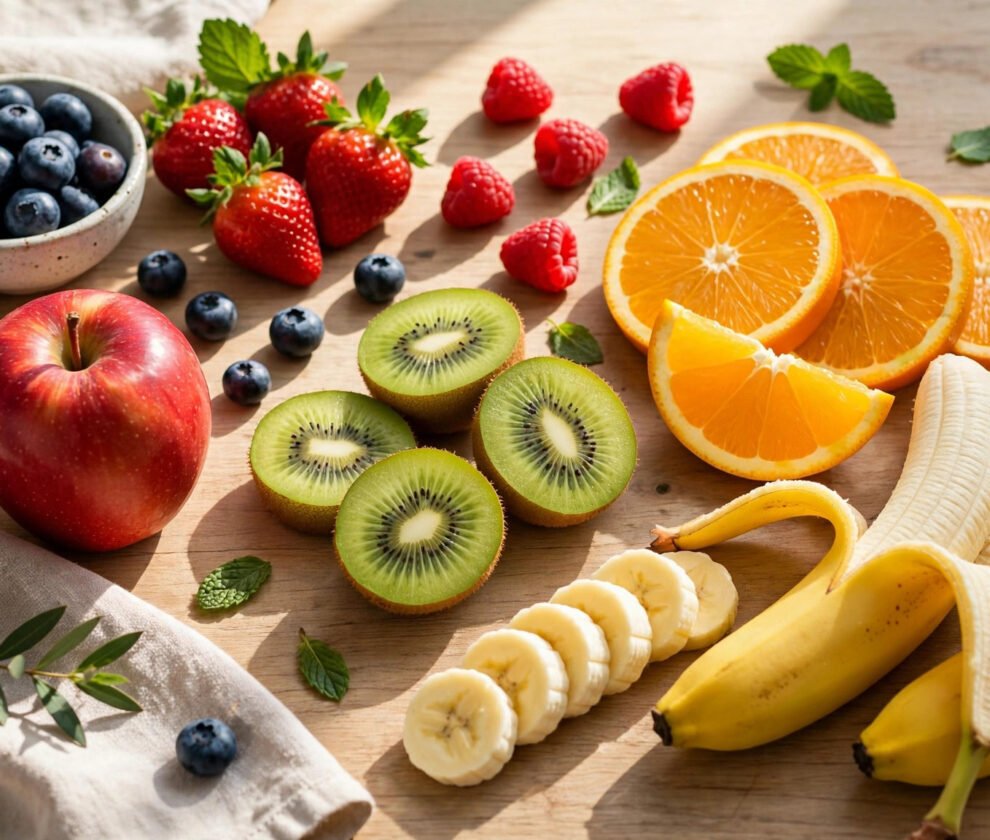
Spread peanut butter on a whole-grain tortilla, add banana slices and a sprinkle of oats or chopped nuts, roll it up, and eat it on the go. Pair with a yogurt drink or milk. Choosing from the best fruits to eat in the morning — banana, berries, or apple — keeps the wrap fresh and not overly sweet.
Easy Ways to Make Any Peanut Butter Breakfast Healthier
Choose whole grains every time
White toast and refined cereals digest quickly. Whole-grain bread, oats, and whole-grain wraps add 3 to 5 grams of fiber per serving, which slows digestion and helps the peanut butter keep you full longer. Check that “whole wheat” or “whole grain” is the first ingredient.
Let fruit provide the sweetness
Banana, berries, grated apple, and pear all sweeten peanut butter meals naturally. If you are used to jam or honey, try half the usual amount for a week mixed with fresh fruit — most people find they do not miss the extra sugar once produce is on the plate.
Measure the peanut butter
Two level tablespoons look smaller than most people expect. Leveling the spoon (rather than heaping it) can save 80 to 100 calories without feeling restrictive, especially when the rest of the plate has volume from fruit, oats, or yogurt.
Add volume with produce
Peanut butter is dense. Pairing it with high-water, high-fiber produce — apple slices, berries, banana, or a smoothie with spinach — lets you eat a larger, more satisfying plate for the same calories. Volume is the secret to feeling full on a healthy portion.
Boost protein when you will be active
If you train, do physical work, or have a long gap until lunch, add a clear extra protein: Greek yogurt, cottage cheese, eggs, milk, or a fortified soy drink. Peanut butter contributes to protein, but it rarely covers a full breakfast target on its own.
Who Should Be Careful With Peanut Butter Breakfasts?
If you are watching calories closely
Peanut butter can absolutely fit a calorie-conscious pattern, but portions matter. Stick to 1 tablespoon on lighter days, pair it with high-volume fruit and oats, and count it as the meal’s main fat rather than adding butter, oils, or large amounts of cheese on top.
If you have a peanut allergy
Every idea above works with sunflower seed butter, almond butter, cashew butter, or tahini. Check labels for added sugar the same way, and choose fortified options if you rely on them for protein. Schools and workplaces may also be peanut-free — seed butters travel more easily there.
If you manage blood sugar
Natural peanut butter itself is low in carbohydrate and can help blunt glucose rises when eaten with carbohydrate foods. The risk is the pairing: sugary spreads, white bread, and juice. Choose natural peanut butter, whole grains, and whole fruit, and talk with your healthcare team about portions that fit your personal plan.
Simple Peanut Butter Breakfast Meal Prep
A little prep makes these breakfasts effortless on weekdays:
- Sunday: Make 3 jars of peanut butter overnight oats and a batch of chia pudding.
- Keep ready: Washed berries, sliced apples in lemon water, hard-boiled eggs, and Greek yogurt cups.
- Pantry check: Natural peanut butter, oats, whole-grain bread in the freezer, chia and flax seeds.
With those in place, most breakfasts in this article take under five minutes to assemble. Freeze whole-grain bread and toast slices straight from frozen — peanut butter spreads more cleanly and portions stay controlled.
Frequently Asked Questions
Is peanut butter on toast a healthy breakfast?
It can be. Use whole-grain toast and natural peanut butter with no added sugar, keep the portion to 1 to 2 tablespoons, and add fruit on top instead of jam. Add a protein side such as milk, yogurt, or an egg, and it becomes a genuinely balanced breakfast.
How much peanut butter should I eat for breakfast?
For most adults, 1 to 2 tablespoons is enough — about 95 to 200 calories and 4 to 8 grams of protein. Use 1 tablespoon on lighter or weight-conscious days and 2 tablespoons when you are active, hungry, or pairing it with lighter foods like apple slices or a smoothie.
Is peanut butter good for weight loss at breakfast?
It can support weight management because its fat, fiber, and protein increase fullness, which may help you snack less later. The key is measuring portions and pairing it with high-fiber, high-volume foods like oats, whole grains, and fruit rather than pastries or sugary cereals.
What is the healthiest peanut butter to buy?
The healthiest everyday choice is natural peanut butter whose only ingredients are peanuts and optionally salt, with no hydrogenated oils and 0 to 1 gram of added sugar per serving. Oil separation is normal — stir it in and refrigerate.
Can I eat peanut butter for breakfast every day?
For most healthy adults, yes, as long as portions are reasonable and the rest of the meal includes whole grains and produce. Rotating with other healthy fats and proteins — eggs, yogurt, nuts, seeds, avocado — across the week gives you a wider range of nutrients.
Conclusion
Peanut butter breakfasts really can be healthy — when you build them deliberately. Choose natural peanut butter with a short ingredient list, measure 1 to 2 tablespoons, place it on whole grains or oats, let real fruit provide the sweetness, and add an extra protein when you need staying power.
Start with one idea this week — the overnight oats or the yogurt bowl are the easiest wins — and notice how much longer you stay full compared with a sugary, refined breakfast. Small, tasty, repeatable upgrades are what turn a favorite food into a genuinely healthy habit.
Disclaimer: This article is for general educational information only and is not medical advice. It does not diagnose, treat, cure, or prevent any disease. Nutrition needs vary, especially if you are pregnant, managing a condition such as diabetes or a nut allergy, or taking medication. Please talk with a qualified healthcare professional or registered dietitian for advice tailored to you.
References: [1] Harvard T.H. Chan School of Public Health — The Nutrition Source: Nuts and Seeds, Peanuts (https://www.hsph.harvard.edu/nutritionsource/nuts-and-seeds/peanuts/). [2] World Health Organization — Healthy diet fact sheet (https://www.who.int/news-room/fact-sheets/detail/healthy-diet).