01 Oct
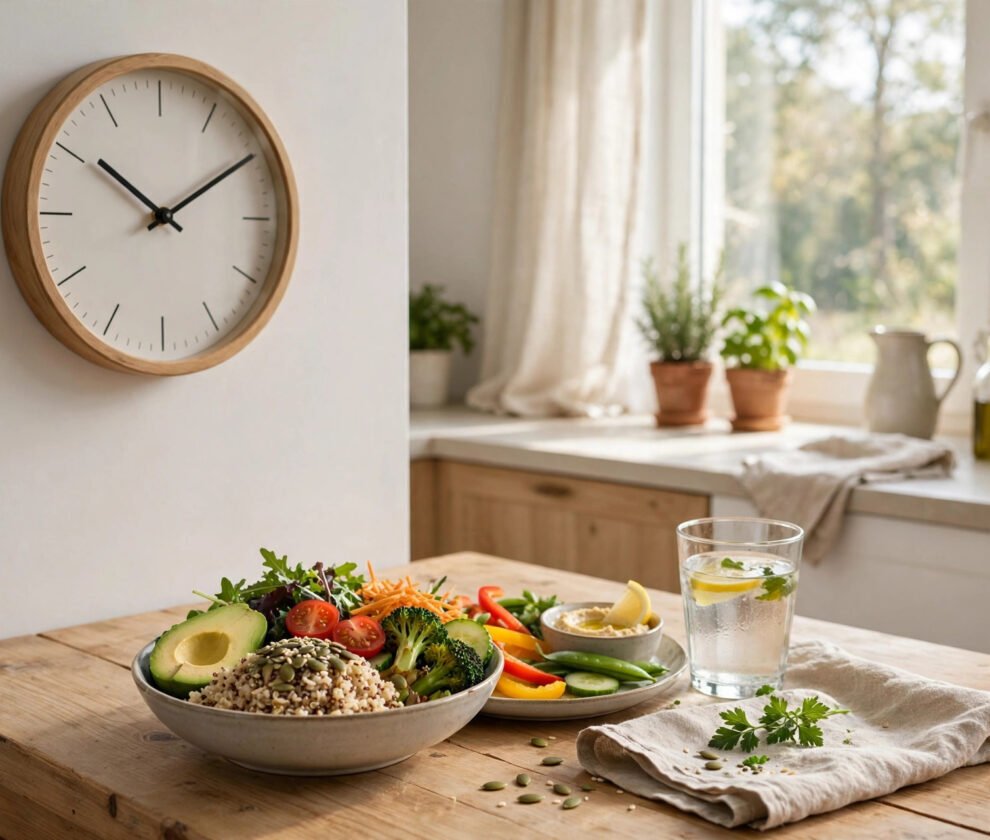
Starting a 7 day weight loss meal plan is one of the simplest ways for a beginner to take control of eating habits. Instead of guessing what to eat three times a day, you follow a clear menu built around real food: lean protein, vegetables, fruit, whole grains, and healthy fats. There are no banned food groups, no expensive ingredients, and no starvation — just balanced meals in portions that create a gentle calorie deficit so the scale starts moving in a healthy, sustainable way.
In this guide, you will get a complete day-by-day menu for the week, a full grocery list organized by store section, simple prep tips, drink guidelines, and answers to the most common beginner questions.
How This 7-Day Meal Plan Works
Weight loss comes down to one core principle: consistently eating slightly fewer calories than your body burns. This plan targets roughly 1,500–1,800 calories per day, which creates a modest deficit for most adults without leaving you constantly hungry. Rather than counting every calorie, the plan works through structure:
- Protein at every meal — chicken, fish, eggs, lentils, beans, and Greek yogurt keep you full and protect muscle while you lose fat.
- Vegetables take up half the plate — they add volume and fiber for very few calories, so meals feel generous.
- Whole grains over refined — brown rice, oats, quinoa, and whole-wheat bread digest more slowly and steady your energy.
- Planned snacks — one intentional snack per day prevents the 4 PM vending-machine spiral.
- Water first — thirst is often mistaken for hunger, and sugary drinks are the easiest calories to cut.
The meals follow WHO healthy diet principles: plenty of fruit and vegetables, limited free sugars, and moderate healthy fats. If you have diabetes, kidney disease, or any condition that affects what you can eat, check with your doctor or a registered dietitian before starting.
6 Ground Rules Before You Start
- Eat on a schedule. Three meals plus one snack at roughly the same times each day prevents extreme hunger, which is when most diet plans fall apart.
- Do not skip meals to “save calories.” Skipping usually backfires into overeating later. Consistency beats perfection.
- Keep portions honest. Use smaller plates, measure grains and oils for the first few days, and stop eating when you are comfortably full — not stuffed.
- Cook simply. Grill, bake, steam, or sauté with a teaspoon of oil. You do not need fancy techniques — salt, pepper, lemon, garlic, and herbs do the heavy lifting.
- Plan for real life. If a meal does not appeal to you, swap it with another day’s meal of the same type (lunch for lunch). The structure matters more than the exact dish.
- Move a little daily. A 20–30 minute walk each day pairs perfectly with this plan — see our guide to walking 10,000 steps a day for an easy way to start.
Your 7-Day Weight Loss Meal Plan
Each day includes breakfast, lunch, a snack, and dinner. Drinks: water, black coffee, or unsweetened tea with any meal.
| Day | Breakfast | Lunch | Snack | Dinner |
|---|---|---|---|---|
| Monday | Overnight oats: ½ cup oats, ¾ cup low-fat milk, ½ cup berries, 1 tbsp chia seeds | Grilled chicken salad: 120g chicken breast, mixed greens, cucumber, tomatoes, 1 tsp olive oil + lemon | 1 medium apple + 1 tbsp peanut butter | Baked salmon (120g), ½ cup brown rice, steamed broccoli |
| Tuesday | 2 scrambled eggs + 1 slice whole-wheat toast + ½ avocado | Lentil soup (1½ cups) + small whole-wheat roll | 170g Greek yogurt + ½ cup sliced strawberries | Turkey and vegetable stir-fry (120g turkey, mixed peppers, zucchini) over ½ cup quinoa |
| Wednesday | Smoothie: 1 banana, 1 cup spinach, ¾ cup low-fat milk, 1 tbsp peanut butter, ice | Tuna wrap: 1 whole-wheat tortilla, 1 can tuna in water, lettuce, tomato, 1 tbsp light mayo | 1 small handful (30g) almonds | Chicken and vegetable curry (light coconut milk) with ½ cup basmati rice |
| Thursday | 170g Greek yogurt + ⅓ cup granola + ½ cup mixed berries | Quinoa bowl: ¾ cup cooked quinoa, black beans (½ cup), corn, diced peppers, salsa, ¼ avocado | 2 rice cakes + 2 tbsp hummus | Baked cod (150g) + roasted sweet potato wedges + green beans |
| Friday | Vegetable omelet (2 eggs, mushrooms, spinach, tomato) + 1 slice whole-wheat toast | Chicken vegetable soup (1½ cups) + side salad | 1 pear + 30g low-fat cheese | Whole-wheat pasta (1 cup cooked) with turkey Bolognese and side salad |
| Saturday | Overnight oats (same as Monday) or oatmeal with sliced banana and cinnamon | Grilled shrimp tacos: 2 corn tortillas, 120g shrimp, cabbage slaw, salsa, lime | 1 cup baby carrots + 3 tbsp hummus | Lean beef and broccoli stir-fry (120g beef strips) with ½ cup brown rice |
| Sunday | 2 whole-wheat pancakes topped with ½ cup berries and 1 tbsp maple syrup + 2 boiled eggs | Buddha bowl: ½ cup brown rice, roasted chickpeas, kale, shredded carrots, tahini-lemon drizzle | 1 banana + 1 tbsp peanut butter | Herb-roasted chicken breast (150g) + roasted mixed vegetables + small baked potato |
Notice the pattern: protein plus produce at every meal, whole grains for staying power, and flavors that repeat ingredients across days so nothing goes to waste. For more high-protein morning ideas you can rotate in, see our 10 high-protein breakfast ideas.
The Complete Grocery List
Buy once at the start of the week. Check your pantry first — you may already have the staples.
Fresh Produce
- Mixed salad greens, spinach, kale (1 bag/box each)
- Broccoli (2 heads), green beans (300g), zucchini (3), bell peppers (4), mushrooms (250g)
- Cucumber (2), tomatoes (6), corn (2 ears or 1 cup frozen), cabbage (½ head)
- Carrots (1 bag), sweet potatoes (2), potatoes (2 small), onions (4), garlic (1 head)
- Lemons (3), limes (2), fresh ginger (small piece), fresh herbs (cilantro/parsley)
- Berries (2 cups), strawberries (1 box), bananas (5), apples (2), pears (2)
- Avocados (2)
Protein (Meat, Fish & Plant-Based)
- Chicken breast (700g), turkey mince (250g), lean beef strips (150g)
- Salmon fillets (2), cod fillets (2), shrimp (250g), tuna cans in water (2)
- Eggs (1 dozen), red lentils (500g dry), black beans (1 can), chickpeas (1 can)
Dairy & Refrigerated
- Greek yogurt, plain low-fat (500g), low-fat milk (1 liter)
- Low-fat cheese (100g), light mayonnaise (small jar), hummus (1 tub)
Pantry Staples
- Rolled oats, brown rice, quinoa, basmati rice, whole-wheat pasta, whole-wheat bread, whole-wheat tortillas, corn tortillas, rice cakes
- Olive oil, peanut butter (natural), almonds (100g), chia seeds, granola (low sugar)
- Canned diced tomatoes, light coconut milk (1 can), vegetable/chicken stock
- Salsa, tahini, soy sauce, maple syrup (small), canned corn
- Spices: salt, black pepper, turmeric, cumin, paprika, cinnamon, chili flakes, curry powder, dried oregano
7 Simple Prep Tips to Stay on Track
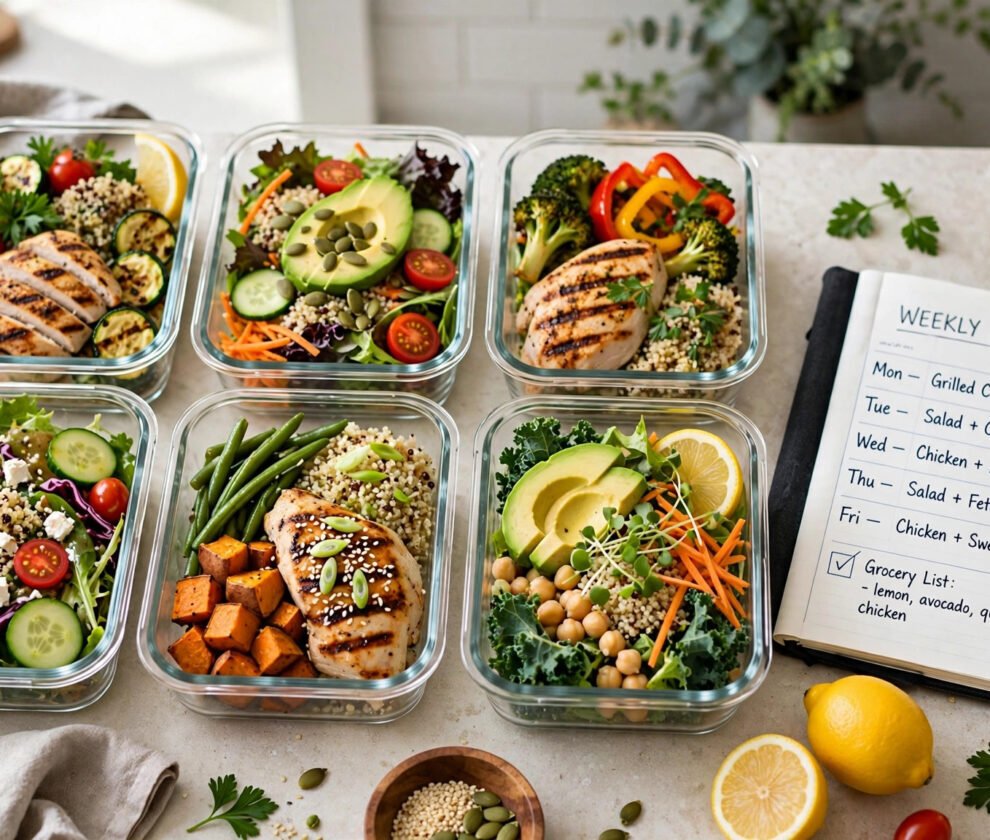
- Prep grains in bulk. Cook a big batch of brown rice and quinoa on Sunday — they keep 4 days refrigerated and anchor fast lunches.
- Wash and chop vegetables ahead. Ready-to-eat produce gets eaten; whole vegetables in the crisper get forgotten.
- Portion proteins immediately. Divide chicken, fish, and turkey into single-meal portions before refrigerating so weeknight cooking takes minutes.
- Make overnight oats the night before. Five minutes of evening prep buys you a grab-and-go breakfast.
- Keep emergency foods stocked. Eggs, frozen vegetables, canned beans, and tuna rescue you on days the plan goes sideways.
- Pack lunch the night before. Decide in the evening, not at noon when hunger is deciding for you.
- Track simply. A quick note on your phone — what you ate and how you felt — reveals patterns worth keeping and ones worth dropping. For a broader strategy beyond food, our guide to losing belly fat naturally covers sleep, stress, and activity too.
What to Drink (and What to Skip)
Drinks can quietly add hundreds of calories. For this week, make water your default — aim for 8–10 glasses a day, more if you exercise or live somewhere hot. Unsweetened tea and black coffee are fine. Skip sodas (including diet sodas, which keep sweet cravings alive for many people), fruit juices, sweetened coffee drinks, milkshakes, and alcohol as much as possible this week — a single restaurant sweet tea can carry 30g of sugar. If plain water bores you, add lemon, cucumber, or mint.
Frequently Asked Questions
How much weight can I lose in 7 days on this plan?
A realistic result is 0.5–1 kg (1–2 pounds) of fat, possibly more on the scale in week one from reduced water retention and less food volume in your system. Anyone promising dramatically more is selling something. Steady loss of 0.5–1 kg per week is the pace health authorities consider safe and sustainable.
Can I repeat this meal plan after the first week?
Yes — repeat it for 2–4 weeks, swapping in similar meals to avoid boredom. After a month, broaden your rotation with new recipes so your diet stays varied. Long-term success comes from habits you can live with, not from repeating one week forever.
What if I am vegetarian?
The plan adapts easily: replace chicken, turkey, beef, fish, and shrimp with extra lentils, beans, chickpeas, tofu, or paneer in the same portions. Keep the eggs and dairy (or use fortified plant alternatives) so protein stays adequate.
Do I need to count calories on this plan?
No — the portions are designed to land in the right range for most adults. If weight is not moving after two consistent weeks, then consider tracking for a few days to spot hidden extras (oils, sauces, snacks, drinks are the usual suspects).
Can I eat out or attend events during the week?
Yes. Choose grilled protein with vegetables, ask for sauces on the side, skip the bread basket, and keep portions sane. One flexible meal will not undo a week of good structure — the plan resumes at the next meal, not next Monday.
Conclusion
This 7 day weight loss meal plan gives beginners exactly what diets usually lack: a clear daily menu, a done-for-you grocery list, and rules simple enough to follow on a busy week. Eat protein and produce at every meal, keep portions honest, drink water, walk daily, and repeat the structure week after week. The scale responds to consistency, not perfection.
Your next step: shop the grocery list this weekend and start Monday with the overnight oats. For a complementary strategy, explore intermittent fasting for beginners once this eating pattern feels easy.
General health information only — not medical advice. Talk to a qualified professional about personal health decisions. See our Disclaimer.