02 Oct
Are Eggs Healthy? What Nutritionists Say
Few foods have changed reputation as often as the egg. For decades, eggs were treated with suspicion because their yolks contain cholesterol. Then research began to show that the story is more nuanced: for most healthy people, dietary cholesterol from foods like eggs has a smaller effect on blood cholesterol than saturated and trans fats do. So, are eggs healthy? For most adults, nutritionists say yes — eggs are an affordable, nutrient-dense source of high-quality protein that can fit comfortably into a balanced diet. The key questions are how many you eat, what you eat with them, and whether you have a medical condition that changes the advice. This guide breaks down egg nutrition, the real cholesterol facts, the main benefits, who should be more cautious, and the healthiest ways to add eggs to your meals.
What Is in One Egg? Nutrition Breakdown
One large egg (about 50 grams) contains roughly 70–72 calories, 6 grams of protein, 5 grams of fat (about 1.5 grams saturated), and almost no carbohydrate or sugar. That compact package also delivers nutrients many people do not get enough of:
- High-quality protein: Eggs contain all nine essential amino acids, making them a complete protein. About half the protein is in the white and half in the yolk.
- Choline: One egg provides a meaningful share of daily choline, a nutrient needed for brain health, memory, mood regulation, and healthy fetal development during pregnancy.
- Lutein and zeaxanthin: These antioxidants, concentrated in the yolk, help protect eye health and are linked to a lower risk of age-related macular degeneration.
- Vitamins A, D, B12, and riboflavin: Egg yolks are one of the few natural food sources of vitamin D. B12 supports energy metabolism and red blood cell formation.
- Selenium and phosphorus: Selenium supports thyroid and immune function, while phosphorus helps build bones and teeth.
Research summarized in the National Institutes of Health literature describes eggs as a nutrient-rich food whose protein and protective compounds — including lutein, zeaxanthin, choline, vitamin D, selenium, and vitamin A — should be weighed alongside the cholesterol question (NIH review of egg protein and health). In other words, judging an egg by cholesterol alone misses most of what it offers.
The Cholesterol Question: Should You Worry?
This is the concern that made eggs controversial, so it deserves a clear answer. One large egg yolk contains about 186–200 milligrams of cholesterol. Older guidelines capped dietary cholesterol at 300 milligrams per day, which made two eggs look like a problem. Newer guidance removed that specific cap, because large, long-term studies found that most of the cholesterol circulating in your blood is made by your liver — and the liver ramps up production mainly in response to saturated and trans fats, not the cholesterol you eat.
Harvard Health’s review of eggs and heart health summarizes decades of follow-up research, including studies that tracked hundreds of thousands of people: for most people, eating up to one egg a day was not linked to higher rates of heart attack, stroke, or other cardiovascular disease. Harvard also notes that one egg carries only about 1.5 grams of saturated fat, plus eye- and brain-supporting nutrients like lutein, zeaxanthin, and choline.
That does not mean cholesterol in food is irrelevant for everyone. Responses vary: a minority of people (“hyper-responders”) see a bigger rise in LDL (“bad”) cholesterol when they eat more dietary cholesterol. And if your overall eating pattern is already high in saturated fat — butter, processed meats, full-fat cheese — eggs cooked in that company add to an already crowded plate. Context matters more than any single food.
7 Health Benefits of Eating Eggs
1. Complete, Affordable Protein for Muscles and Satiety
At roughly 6 grams of complete protein for about 70 calories, eggs are one of the most cost-effective protein sources available. Protein supports muscle maintenance — which becomes more important after age 40 as muscle mass naturally declines — and it keeps you full longer than a carbohydrate-only breakfast. That is why eggs feature prominently in our high-protein breakfast ideas: two eggs with vegetables and whole-grain toast can deliver 18–22 grams of protein before your day even starts.
2. Choline for Brain and Nervous System Health
Choline is essential for building cell membranes and producing acetylcholine, a neurotransmitter involved in memory and mood. Many adults fall short of recommended choline intake, and eggs are one of the richest common sources. During pregnancy, adequate choline supports the baby’s brain development, which is one reason eggs (fully cooked) are often encouraged as part of a prenatal diet — always following your own provider’s advice.
3. Eye-Protecting Antioxidants
The deep yellow-orange color of an egg yolk comes from lutein and zeaxanthin. These carotenoids accumulate in the retina, where they help filter harmful blue light and may reduce the risk of age-related macular degeneration and cataracts. Egg-yolk carotenoids are also highly bioavailable — your body absorbs them well, partly because the yolk’s healthy fats help transport them.
4. Helpful for Weight Management
Because protein increases satiety, starting the day with eggs instead of a pastry often means eating less at the next meal without trying. Eggs are also naturally portion-controlled: one egg is a tidy, measurable serving, unlike foods that are easy to over-pour. Paired with fiber-rich vegetables and whole grains, they make a filling, moderate-calorie meal.
5. B Vitamins and Energy Metabolism
Eggs provide vitamin B12, riboflavin (B2), and pantothenic acid (B5), which help your body convert food into usable energy and maintain healthy red blood cells. For people who eat little meat — a major B12 source — eggs can help fill an important nutritional gap, though strict vegans will still need fortified foods or a supplement.
6. A Natural Source of Vitamin D
Very few foods naturally contain vitamin D; most people get it from sunlight and fortified foods. Egg yolks contribute a modest amount, and eggs from hens raised outdoors or fed vitamin-D-enriched feed can contain more. Eggs will not meet your whole vitamin D need alone, but they help, especially in winter months.
7. Versatility That Supports Overall Diet Quality
An underrated benefit: eggs make other healthy foods easier to eat. A sliced boiled egg turns a plain salad into lunch; a scrambled egg carries spinach, peppers, and tomatoes into breakfast; a frittata uses up leftover vegetables instead of letting them go to waste. Foods that help you eat more vegetables improve your whole diet.
How Many Eggs Per Day Is Healthy?
There is no single number that fits everyone, but the evidence supports this practical range: for most healthy adults, an average of up to one egg per day (about seven per week) fits easily within a heart-healthy pattern — consistent with both the Harvard summary above and current dietary guidance that focuses on overall saturated fat rather than a strict cholesterol cap. Many healthy, active people eat two eggs at breakfast several times a week without issue, especially when the rest of the plate is vegetables, whole grains, and healthy fats.
Consider moderating — or asking your doctor or a registered dietitian for personal guidance — if you:
- Have diagnosed high LDL cholesterol that is difficult to control;
- Have type 2 diabetes (some studies suggest a more cautious approach for this group, though findings are mixed);
- Have established cardiovascular disease;
- Know you are a cholesterol hyper-responder based on blood tests.
For these groups, a common compromise is enjoying whole eggs a few times a week and using extra egg whites on other days, since the white is nearly pure protein with no cholesterol. If you are unsure where you stand, a simple lipid panel and a conversation at your next checkup will give you a clearer answer than any general article can.
Who Should Be Careful With Eggs?
Egg allergy: Egg is one of the most common food allergies in young children, though many outgrow it. Anyone with a diagnosed egg allergy should avoid eggs and read labels carefully, since egg proteins hide in baked goods, fresh pasta, and some sauces.
Food safety: Raw and undercooked eggs carry a small risk of Salmonella. Cook eggs until whites and yolks are firm, avoid raw homemade mayonnaise or eggnog made with unpasteurized eggs, and refrigerate eggs promptly. Pasteurized shell eggs or liquid egg products are safer choices for recipes that call for raw egg.
The company eggs keep: Eggs themselves are low in saturated fat, but a typical diner plate of eggs fried in butter with bacon, sausage, and white toast is not. The preparation and sides often matter more than the eggs — a core idea behind balanced patterns like the Mediterranean diet approach, where eggs sit alongside olive oil, vegetables, legumes, and whole grains.
Eggs vs. Egg Whites: Do You Need the Yolk?
Egg whites win on paper if you only count calories and cholesterol: one white has about 17 calories, 3.6 grams of protein, and zero fat or cholesterol. But skipping every yolk means skipping almost all of the egg’s choline, lutein, zeaxanthin, vitamin D, and B12, plus about half its protein. For most people, the yolk is where the nutrition lives. A smart middle ground used by many nutrition professionals: cook one or two whole eggs and add an extra white or two when you want more protein volume without many more calories. That keeps the nutrient-rich yolks in your diet while keeping portions sensible.
Brown vs. White, Cage-Free vs. Conventional: Does It Matter?
Brown and white eggs are nutritionally identical; shell color simply reflects the breed of hen. Labels like “cage-free” and “free-range” describe housing and outdoor access, which matter for animal welfare but change nutrition only slightly. “Omega-3 enriched” eggs come from hens fed flaxseed or fish oil and do contain more omega-3 fats — a genuinely useful upgrade if you rarely eat fatty fish. In practice, freshness, proper storage, and how you cook the egg matter more to your health than the shell color or most label claims.
The Healthiest Ways to Cook and Serve Eggs
- Boiled or poached: No added fat required, portable, and perfect for meal prep. Hard-boiled eggs keep for up to a week in the fridge.
- Scrambled in olive oil: Use a nonstick pan and a teaspoon of olive oil, then fold in spinach, mushrooms, peppers, or tomatoes.
- Veggie omelets and frittatas: A vehicle for a full serving (or two) of vegetables at breakfast.
- Baked egg muffins: Whisk eggs with chopped vegetables and bake in a muffin tin — a grab-and-go staple we also use in our guide to quick no-time breakfasts.
- Avocado toast with a poached egg: Fiber, healthy fats, and protein in one satisfying plate.
Methods to use less often: deep-frying, cooking in large amounts of butter, and pairing daily with processed meats like bacon and sausage, which add saturated fat and sodium that work against the egg’s benefits.
A Sample Day With Eggs, Done Right
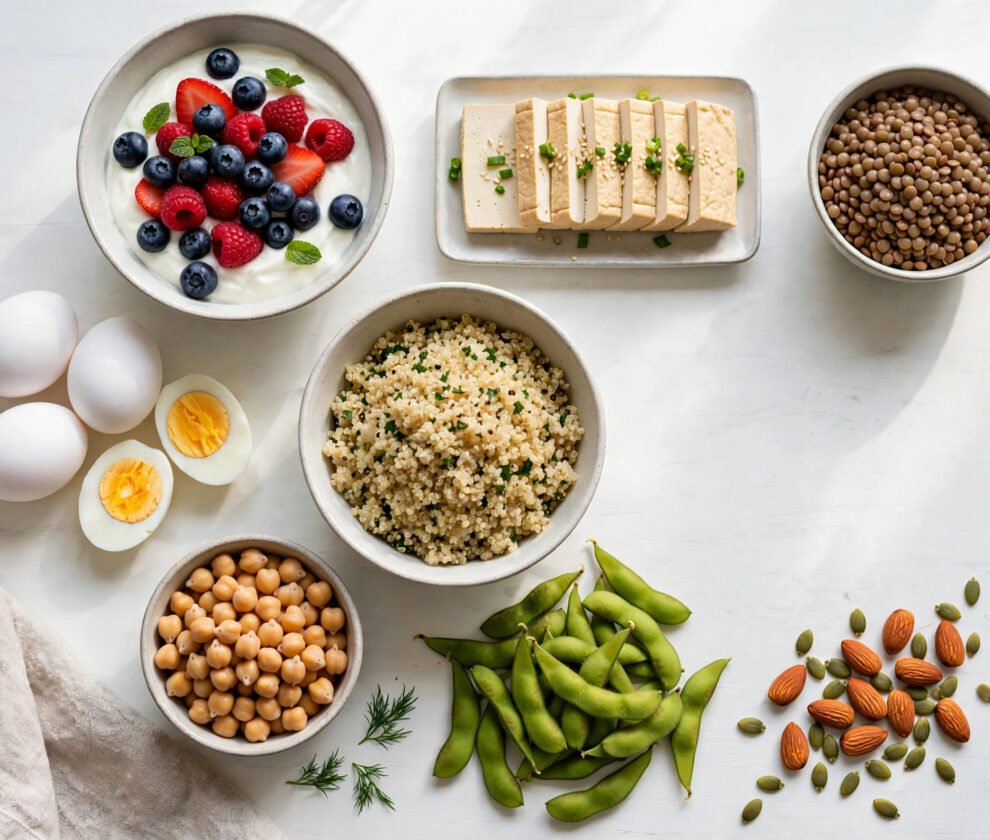
Breakfast: two scrambled eggs with spinach and tomato on whole-grain toast, plus a piece of fruit. Lunch: a grain bowl with quinoa, chickpeas, roasted vegetables, and a sliced boiled egg. Snack: Greek yogurt with berries. Dinner: salmon, lentils, and greens. In this pattern, eggs deliver protein and nutrients at two meals without crowding out fiber, plants, or other protein sources — total egg intake stays moderate while overall diet quality stays high. That “whole plate” thinking, rather than fear of one food, is exactly what nutritionists mean when they say eggs are healthy.
Frequently Asked Questions
Are eggs good for you every day?
For most healthy adults, yes — eating about one egg a day on average has not been linked to higher cardiovascular risk in large long-term studies. Your overall pattern matters most: eggs with vegetables and whole grains are a very different choice from eggs with processed meat and refined carbs every morning. If you have high cholesterol, diabetes, or heart disease, check with your doctor about the right frequency for you.
Do eggs raise your cholesterol?
Eggs can raise blood cholesterol slightly in some people, but for most, saturated and trans fats have a much larger effect on LDL cholesterol than the dietary cholesterol in eggs. Current guidance no longer sets a strict daily cholesterol limit for the general population. People who know they respond strongly to dietary cholesterol, or who are managing high LDL, may do better limiting yolks and using more egg whites.
Is it better to eat only egg whites?
Not necessarily. Whites are an excellent lean protein, but the yolk contains most of the egg’s choline, lutein, zeaxanthin, vitamin D, and B12. Most people benefit from eating the whole egg. If you want more protein with fewer calories, combine one or two whole eggs with extra whites instead of cutting yolks out entirely.
Brown eggs vs. white eggs: which is healthier?
Neither. Shell color depends on the hen’s breed and does not affect nutrition. Free-range and omega-3-enriched eggs may offer small differences, but freshness, storage, and cooking method matter more for your health than color.
Are raw eggs safe to eat?
Raw and undercooked eggs carry a small Salmonella risk, so health authorities recommend cooking eggs until the whites and yolks are firm. If a recipe needs raw egg — such as homemade mayonnaise or Caesar dressing — use pasteurized eggs. This advice is especially important for pregnant people, older adults, young children, and anyone with a weakened immune system.
Conclusion
So, are eggs healthy? The verdict from nutrition research is reassuring: for most people, eggs are a nutritious, affordable, and satisfying food that fits well in a balanced diet. They deliver complete protein, choline for the brain, lutein and zeaxanthin for the eyes, and useful amounts of vitamin D and B12 — all for about 70 calories each. The old fear of the yolk has softened as evidence showed saturated fat, not moderate egg intake, drives most blood-cholesterol risk. Enjoy eggs boiled, poached, or scrambled with vegetables a few times a week (or daily, if your health profile allows), keep processed-meat pairings occasional, and focus on the whole plate. That is how a once-“risky” food becomes one of the simplest healthy habits in your kitchen.
Disclaimer: This article is for general informational purposes only and is not medical advice. Egg and cholesterol recommendations can differ if you have high cholesterol, diabetes, cardiovascular disease, an egg allergy, or are pregnant. Please consult your doctor or a registered dietitian for guidance tailored to your health.