01 Oct
Learning how to reduce stress and anxiety naturally is one of the most valuable skills for modern life. Occasional stress is normal — it is your body’s built-in alarm system. But when stress becomes constant, it disrupts sleep, digestion, immunity, focus, and even heart health. The encouraging news: research supports many simple, drug-free strategies that genuinely calm your nervous system. This guide shares 10 practical, natural ways to lower stress and anxiety, plus clear guidance on when professional help is the right next step.
Understanding Stress vs. Anxiety
Stress is usually a response to an external pressure — a deadline, an argument, a bill. Anxiety is more like the alarm ringing without a clear threat: persistent worry, restlessness, or dread. The two feed each other, and the same calming strategies help both. According to the National Institute of Mental Health, anxiety disorders are among the most common mental health conditions — and they are highly treatable, which is why reaching out for help is a sign of strength, not weakness.
10 Simple Ways to Reduce Stress and Anxiety Naturally
1. Practice Slow, Deep Breathing
Your breath is a remote control for your nervous system. Slow exhaling activates the parasympathetic (“rest and digest”) response. Try box breathing: inhale for 4 counts, hold for 4, exhale for 4, hold for 4 — repeat for 2–3 minutes. It works anywhere: before a meeting, in traffic, or in bed.
2. Move Your Body Daily
Exercise is one of the most evidence-backed natural anxiety reducers. It burns off stress hormones, releases endorphins, and improves sleep — which further lowers anxiety. You do not need intense workouts: a brisk 20–30 minute walk counts. Building toward 10,000 steps a day is a gentle, sustainable target, and the WHO confirms regular activity benefits mental health too.
3. Protect Your Sleep
Poor sleep and anxiety form a vicious circle: anxiety ruins sleep, and short sleep raises next-day anxiety. Prioritizing 7–9 hours with a consistent schedule is foundational. Our guide on why sleep is important explains the science and gives practical tips for better rest.
4. Cut Back on Caffeine and Alcohol
Caffeine stimulates the same fight-or-flight system that anxiety hijacks — for sensitive people, that afternoon coffee can feel like panic. Alcohol may relax you initially but disrupts sleep and rebounds into next-day anxiety. Try two weeks with less of both and notice the difference.
5. Try Mindfulness or Meditation
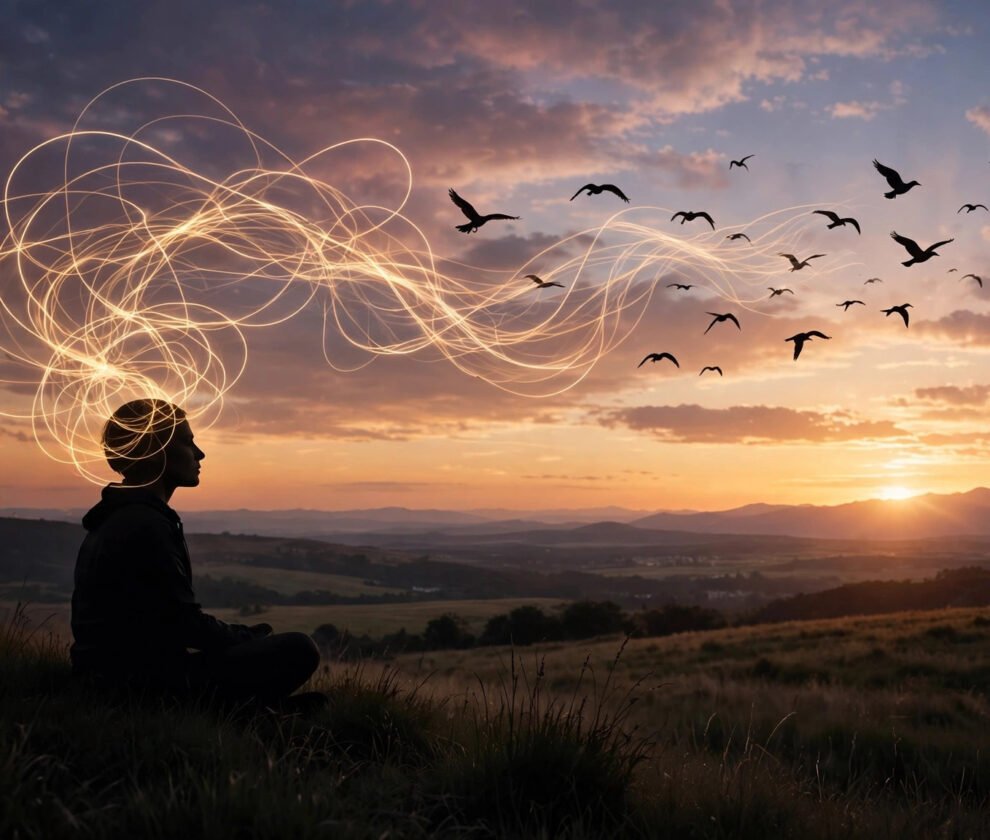
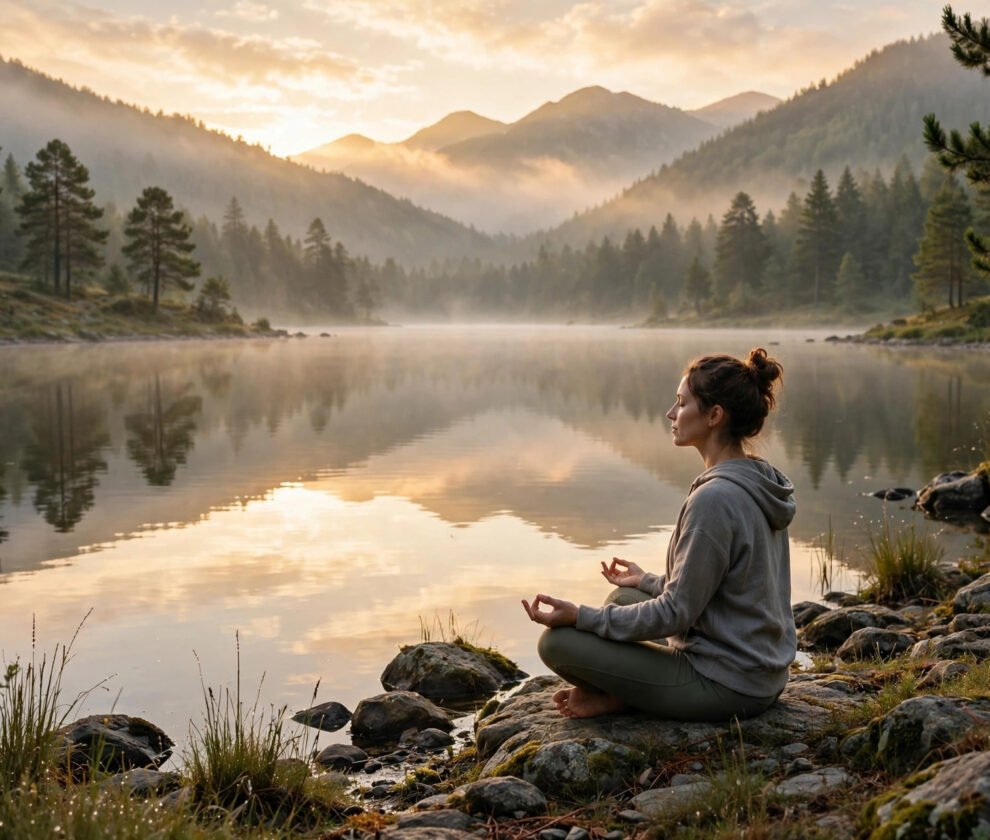
Mindfulness trains you to observe anxious thoughts without being swept away by them. Research reviewed by the NCCIH suggests mindfulness meditation can modestly reduce anxiety symptoms. Start tiny — our mindfulness meditation guide for beginners walks you through a simple 5-minute daily practice.
6. Spend Time in Nature
Even 20 minutes in a park, garden, or green street measurably lowers cortisol in studies. Natural settings give your threat-scanning brain a break. No wilderness required — a tree-lined walk or sitting by water counts.
7. Write It Down (Journaling)
Putting worries on paper externalizes them — your brain stops looping on thoughts it trusts are “saved.” Try a 5-minute evening brain dump, or write down three things you are grateful for. Both practices are linked to lower perceived stress.
8. Connect With People
Humans regulate each other’s nervous systems. A real conversation with a friend, family member, or neighbor — even a short one — can defuse a stressful day faster than scrolling. If you are isolated, consider a class, club, volunteering, or a support community.
9. Limit News and Doomscrolling
Constant alarming headlines keep your threat system switched on. Set boundaries: check news once or twice a day at set times, keep your phone out of the bedroom, and notice how your body feels after 30 minutes of scrolling versus 30 minutes offline.
10. Build a Calming Daily Routine
Anxiety thrives on chaos and unpredictability. Anchor your day with a few calming rituals: a morning walk, regular mealtimes, a wind-down hour before bed, a weekly hobby you enjoy. Routine tells your nervous system the world is predictable and safe.
Build a Simple Anti-Stress Daily Routine
Individual techniques work best when woven into your day. Here is a sample routine you can adapt:
- Morning: 5 minutes of slow breathing or stretching before checking your phone; a short walk in daylight.
- Midday: a real lunch break away from screens; a 10-minute walk after eating.
- Evening: write tomorrow’s top three tasks to empty your mind; dim lights an hour before bed; a calming wind-down such as reading or gentle music.
- Weekly: one longer restorative activity — a nature walk, a hobby session, or quality time with someone you enjoy.
You do not need to adopt all of these at once. Add one anchor at a time; within a month you will have a genuinely calmer daily rhythm.
When to Seek Professional Help
Natural strategies help many people with everyday stress and mild anxiety — but they are not a substitute for professional care when you need it. Consider talking to a doctor, counselor, or therapist if anxiety persists for weeks, interferes with work, relationships, or sleep, causes panic attacks, or leads you to avoid important parts of life. Effective treatments exist, including therapy and, when appropriate, medication. If you ever feel you might harm yourself, contact a local crisis helpline or emergency services immediately.
Frequently Asked Questions
What is the fastest way to calm anxiety in the moment?
Slow breathing is the quickest evidence-backed tool: long, slow exhales signal safety to your nervous system within a couple of minutes. Splashing cold water on your face or stepping outside for fresh air can also interrupt an acute spike.
Can anxiety be reduced without medication?
For mild to moderate everyday anxiety, lifestyle strategies — exercise, sleep, breathing, mindfulness, limiting caffeine/alcohol — help many people significantly. For persistent or severe anxiety, professional treatment (therapy, sometimes medication) is the most effective path, and combining it with these habits works best.
Does exercise really help anxiety?
Yes. Regular aerobic exercise is consistently linked to lower anxiety symptoms in research — effects comparable to some other interventions for mild anxiety. Both single sessions (one walk can calm you today) and long-term routines help.
Why is my anxiety worse at night?
At night, distractions fade and the mind replays the day; fatigue also lowers emotional resilience. A wind-down routine — dim lights, no news, journaling tomorrow’s tasks, slow breathing — gives your brain an “off switch.” Persistent nighttime anxiety that ruins sleep deserves a conversation with your doctor.
Are herbal supplements good for anxiety?
Evidence for most “calming” supplements is limited or mixed, and natural does not automatically mean safe — some interact with medications. Be skeptical of miracle claims. If you are curious about any supplement, discuss it with your doctor or pharmacist first.
Conclusion
Reducing stress and anxiety naturally comes down to calming your nervous system daily: breathe slowly, move regularly, sleep well, ease off stimulants, spend time in nature and with people, and give your mind quiet moments. Small, consistent habits compound into genuine resilience.
Your next step: pick one strategy from this list and practice it today — even two minutes of slow breathing counts. Then explore our Mental Wellness section for more guides on building a calmer mind.
General health information only — not medical advice. Talk to a qualified professional about personal health decisions. See our Disclaimer.